4th CONFSEML

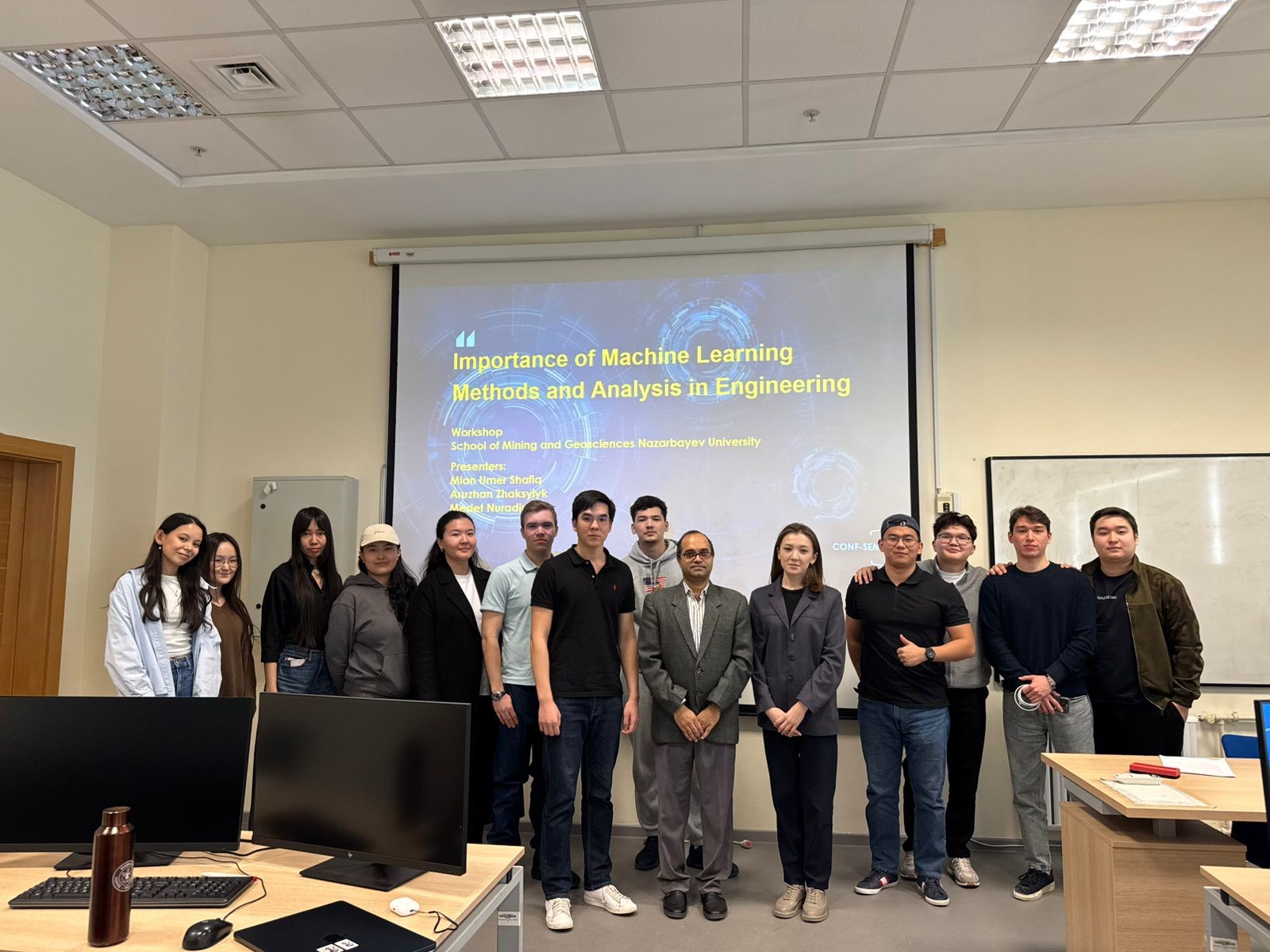
Importance of Machine Learning Methods and Analysis in Engineering


Submission Deadline Notification of Acceptance Submission Email Download
March 13, 2026 7-20 workdays sympo_astana@confseml.org Manuscript Template

About

Background

The petroleum industry is undergoing a technological transformation, driven by the need for increased efficiency, enhanced safety, and improved sustainability in exploration, production, and reservoir management. Machine Learning (ML), a subset of Artificial Intelligence (AI), has emerged as a powerful tool to address complex, data-intensive challenges in engineering. From predictive maintenance of equipment and real-time engineering design optimization to reservoir management and optimized hydrocarbon recovery, ML techniques are enabling engineers to make data-driven decisions with unprecedented accuracy and speed.

The integration of ML into engineering workflows offers opportunities to reduce operational costs, improve production, and minimize environmental risks. Despite its growing adoption, there is still a knowledge gap among professionals and researchers regarding the practical implementation of ML techniques and tools specific to petroleum engineering applications.

Goal/Rationale

The petroleum industry faces increasing challenges due to the complexity of extracting hydrocarbons from mature and unconventional reservoirs, the volatility of energy markets, and the growing emphasis on environmental sustainability. Traditional methods of operation, which often rely on manual processes and reactive decision-making, are no longer sufficient to meet the demands of modern petroleum engineering. The primary objectives of this symposium are:

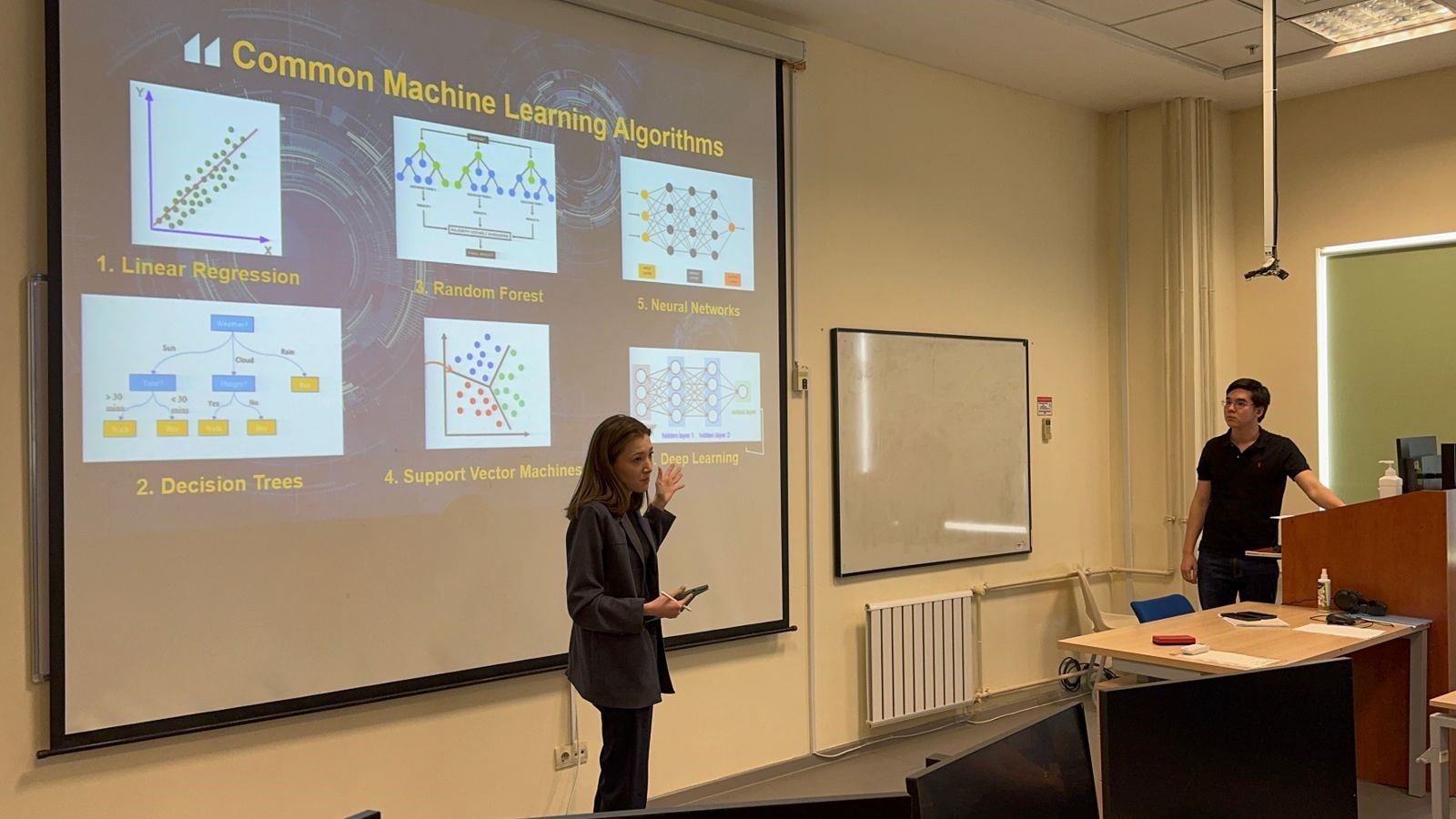
  • To introduce the fundamentals of machine learning and its relevance to the engineering industry.
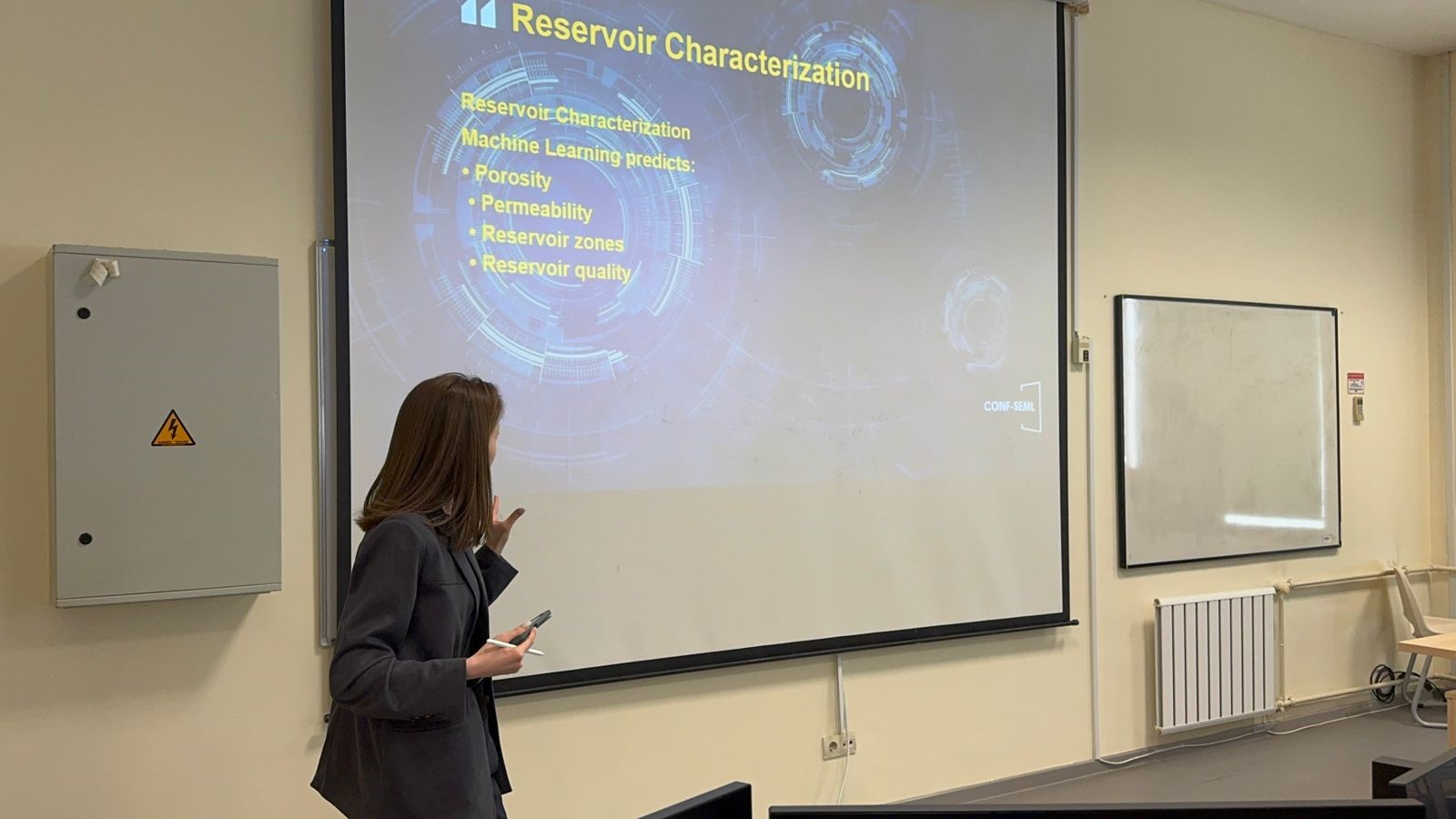
  • To showcase real-world applications of ML in various domains of petroleum engineering.
  • To provide hands-on experience with ML tools and workflows using real or synthetic datasets.
  • To encourage interdisciplinary collaboration between data scientists and engineers.
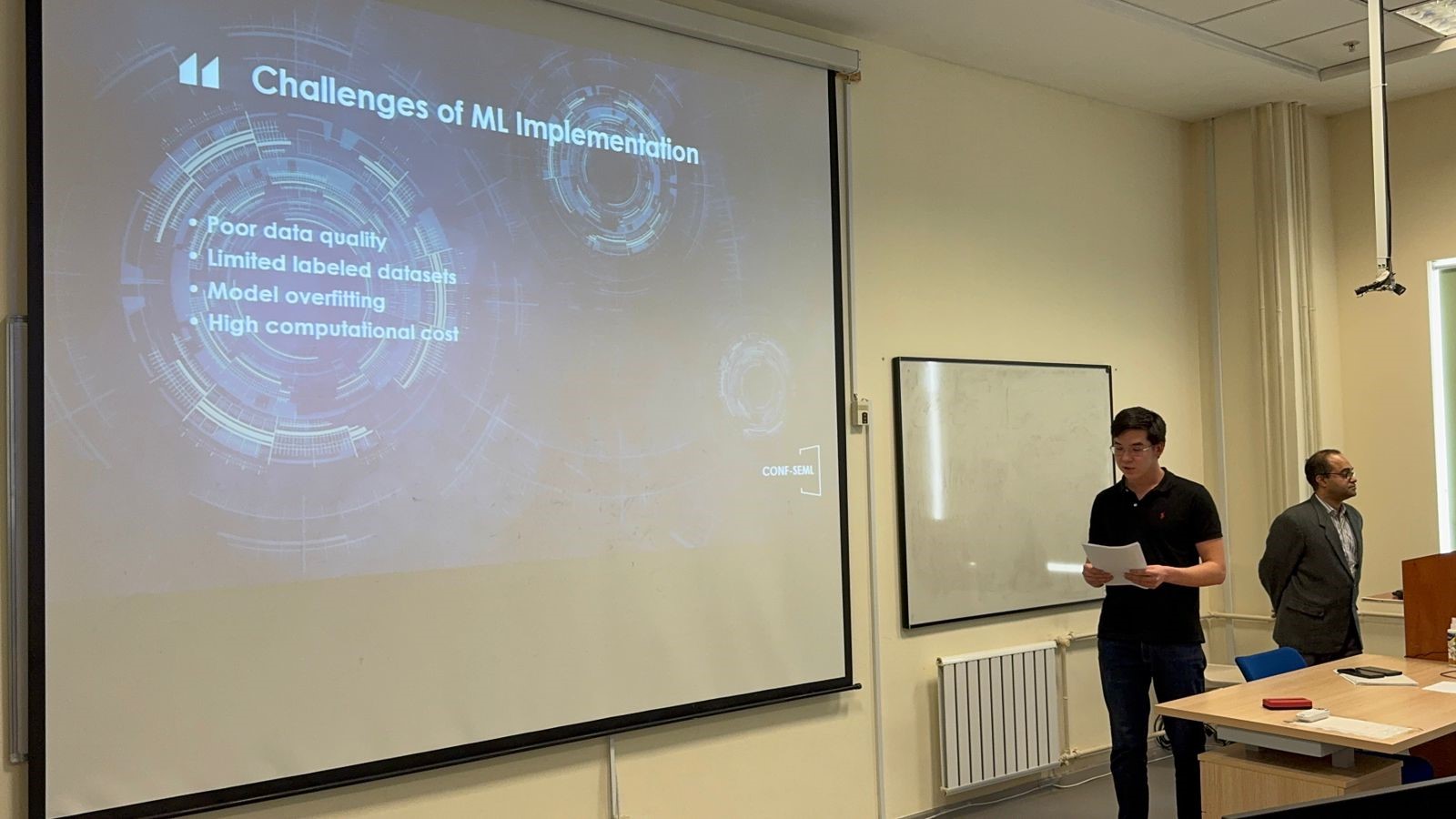
  • To discuss challenges, limitations, and ethical considerations in the use of AI/ML in the engineering sector.

Scope

This symposium will explore the integration of machine learning (ML) techniques in various domains of engineering, especially Petroleum Engineering. Participants are invited to contribute research, case studies, or practical applications addressing the use of ML in drilling optimization, reservoir characterization, production forecasting, and enhanced oil recovery. The scope also includes data preprocessing, feature selection, model validation, and the use of real-time analytics for decision-making. Contributions may highlight supervised and unsupervised learning methods, deep learning architectures, and hybrid modeling approaches. We encourage submissions that demonstrate innovation in applying ML to field data, interpretability of models, and integration with existing engineering workflows. This symposium aims to foster interdisciplinary collaboration and bridge the gap between data science and engineering practice.

Publication

Accepted papers of this symposium will be published in Applied and Computational Engineering (Print ISSN: 2755-2721), and will be submitted to Conference Proceedings Citation Index (CPCI), Crossref, Portico, Inspec, Google Scholar, CNKI, and other databases for indexing. The situation may be affected by factors among databases like processing time, workflow, policy, etc.

This symposium is organized by CONF-SEML 2026 and will independently proceed the submission and publication process.

Please note that the publication policy may vary between different publishers. For details regarding the publication process, kindly refer to the policies of the respective publisher.