Highlights
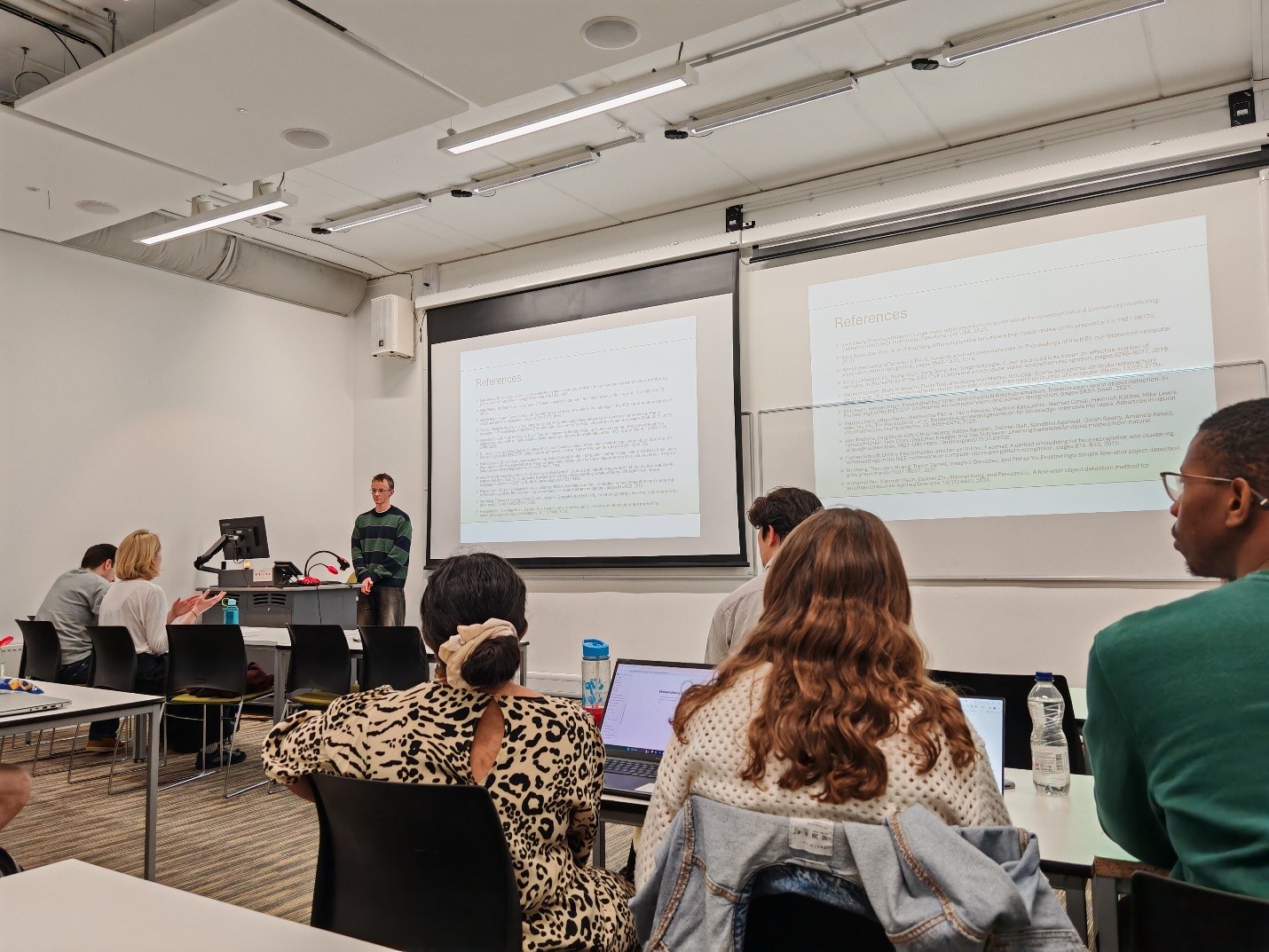
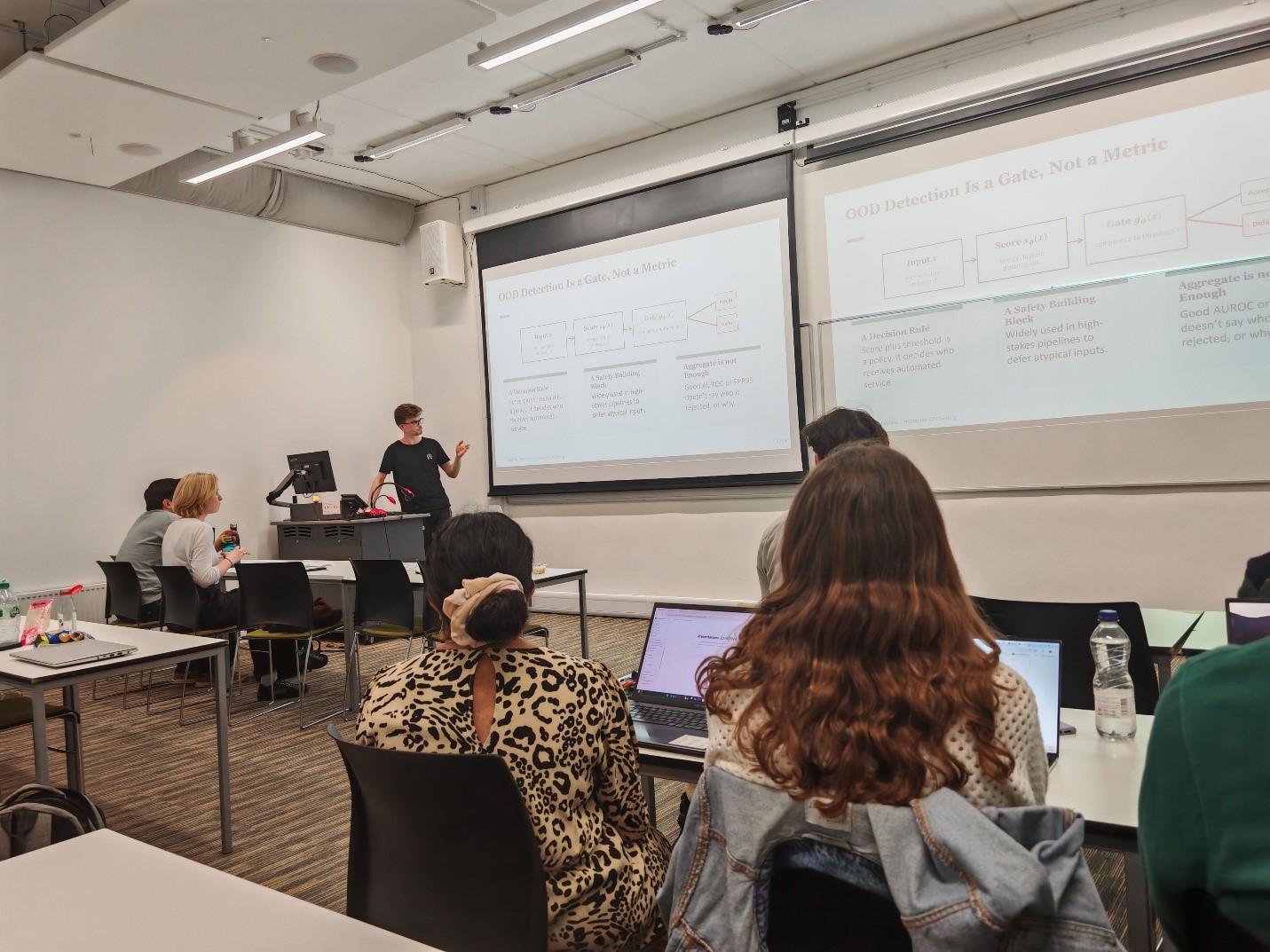
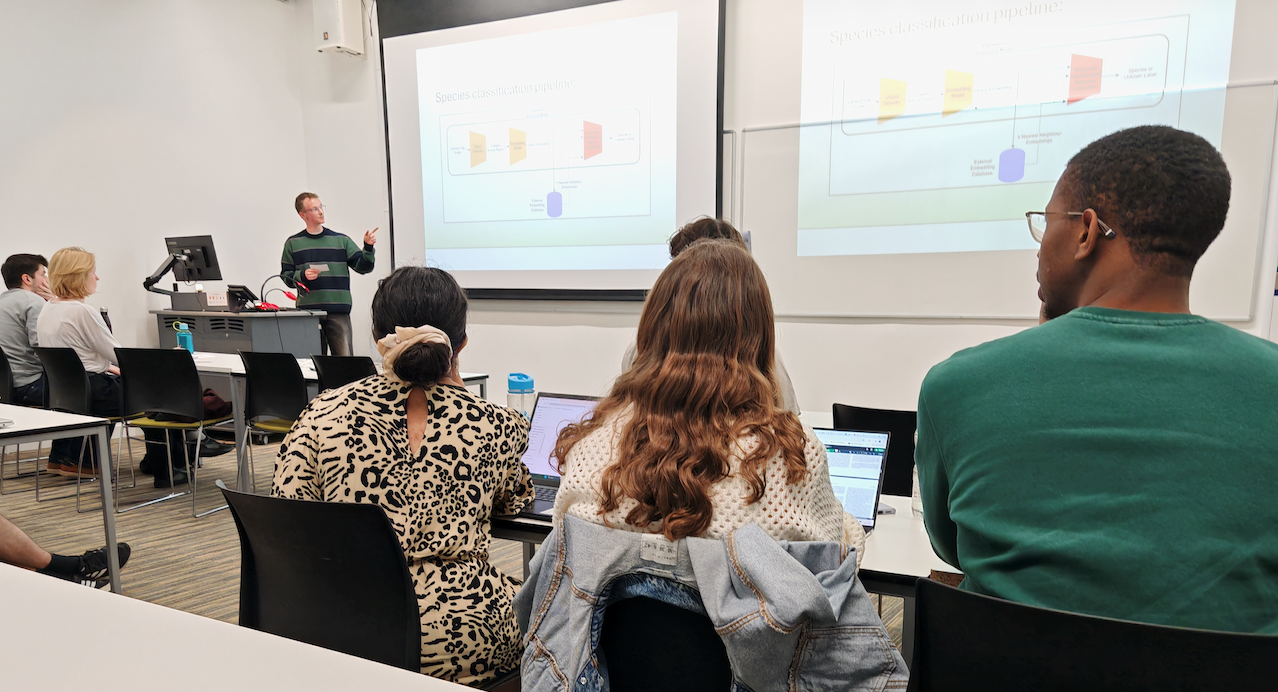
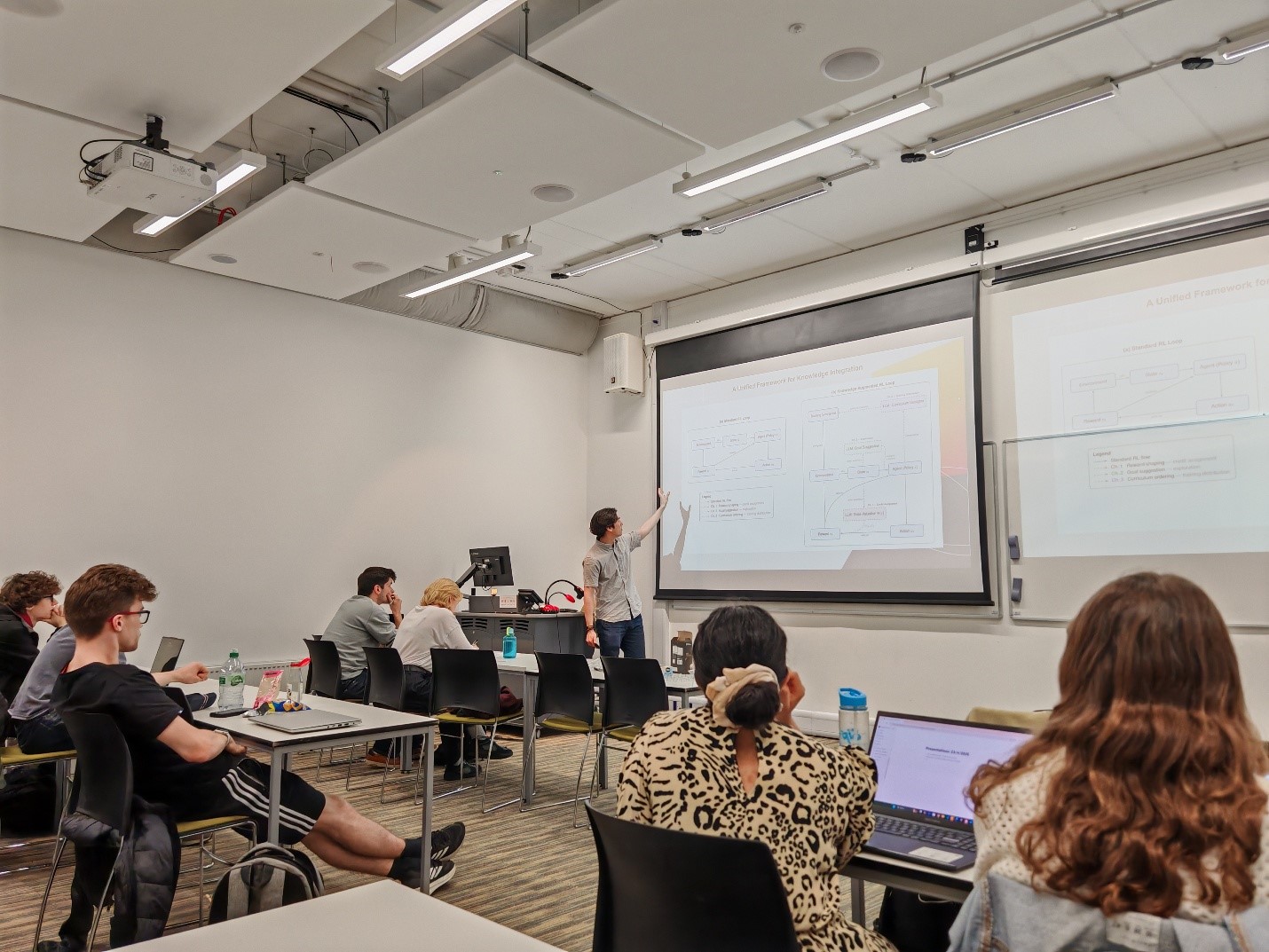
The symposium on Learning and Decision Making in Multi-Agent Software Systems, held on April 14,
2026 at the University of Bath, brought together researchers exploring how intelligent software
components interact, learn, and make decisions in complex environments. The event focused on
systems where multiple agents operate with partial information and potentially conflicting
objectives, a setting increasingly common in modern digital infrastructures.
Discussions highlighted the limitations of traditional single-agent learning approaches and
emphasized recent advances in multi-agent reinforcement learning, game-theoretic modeling, and
collective intelligence. Participants examined key challenges such as coordination under
uncertainty, stability in dynamic environments, and the design of incentives that align
individual behaviors with system-level goals.
The symposium featured a range of contributions, from theoretical frameworks to practical
applications in domains like autonomous services, communication systems, and distributed
control. A recurring theme was the need to bridge foundational research with real-world
implementation, ensuring that multi-agent systems remain transparent, reliable, and scalable.
Overall, the event provided a platform for exchanging emerging ideas, fostering collaboration,
and identifying future research directions aimed at improving the effectiveness of learning and
decision-making in complex, interactive software systems.
Access to Symposium:CONF-SEML 2027 Symposium -- Bath - YouTube
 Learning and Decision Making in Multi Agent Software SystemsApril 14, 2026 Bath, UK