CONF-SEML 2026
The 4th International Conference on Software Engineering and Machine Learning (CONF-SEML 2026) is a leading conference on software engineering and machine learning. University of Surrey, Çukurova University, University of Bath, Nazarbayev University and Illinois Institute of Technology are co-organizers of CONF-SEML 2026. CONF-SEML 2026 is open to international participants. It provides an excellent opportunity for scholars interested in artificial intelligence and information technology to share their findings and achievements, thus promoting communication and cooperation. This conference is supported by faculty members from University of Surrey, Çukurova University, University of Bath, Nazarbayev University and Illinois Institute of Technology.
Symposium Series
University of Surrey
Symposium Chair: Dr. Roman Bauer, Senior Lecturer in University of Surrey
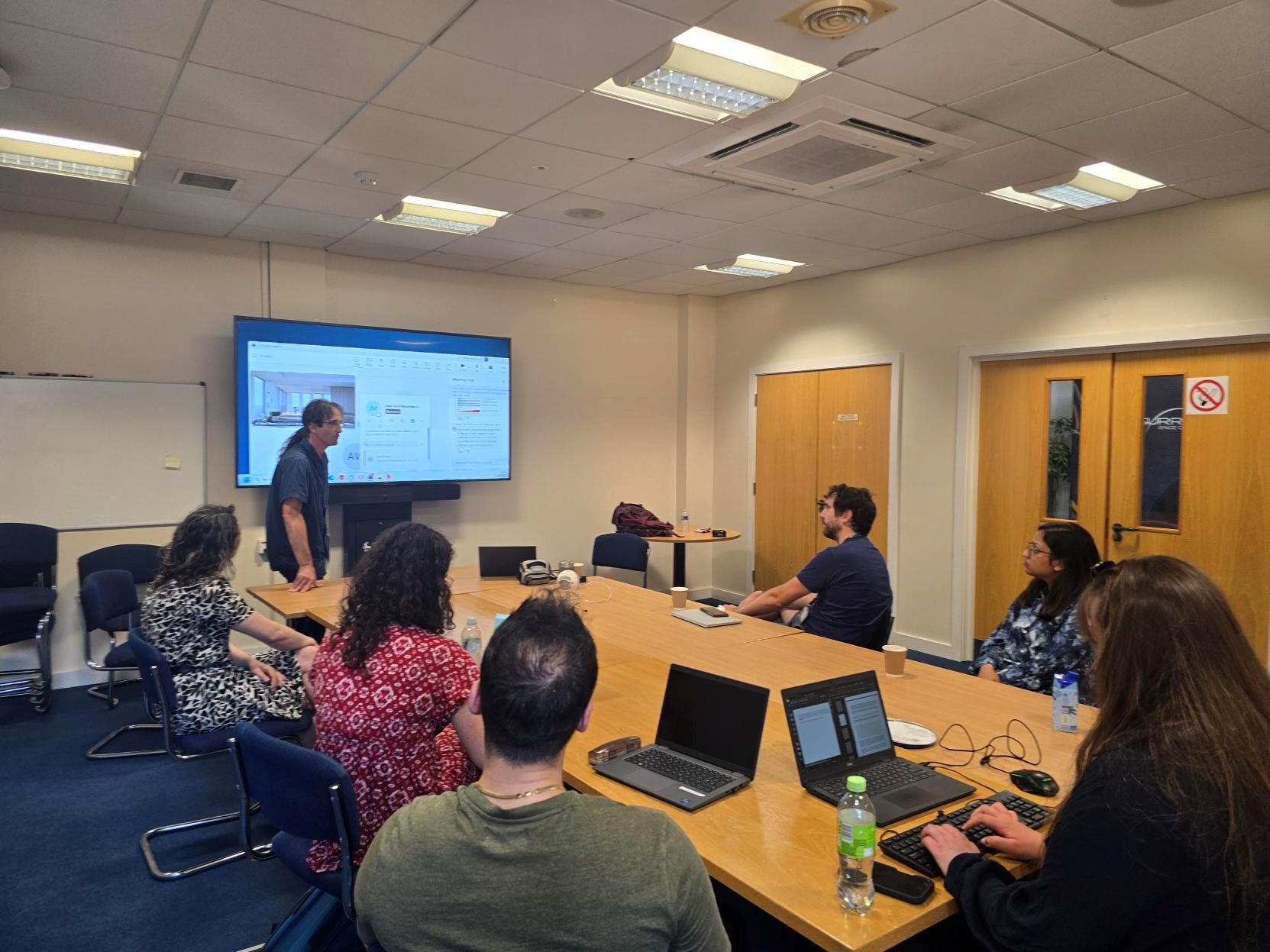
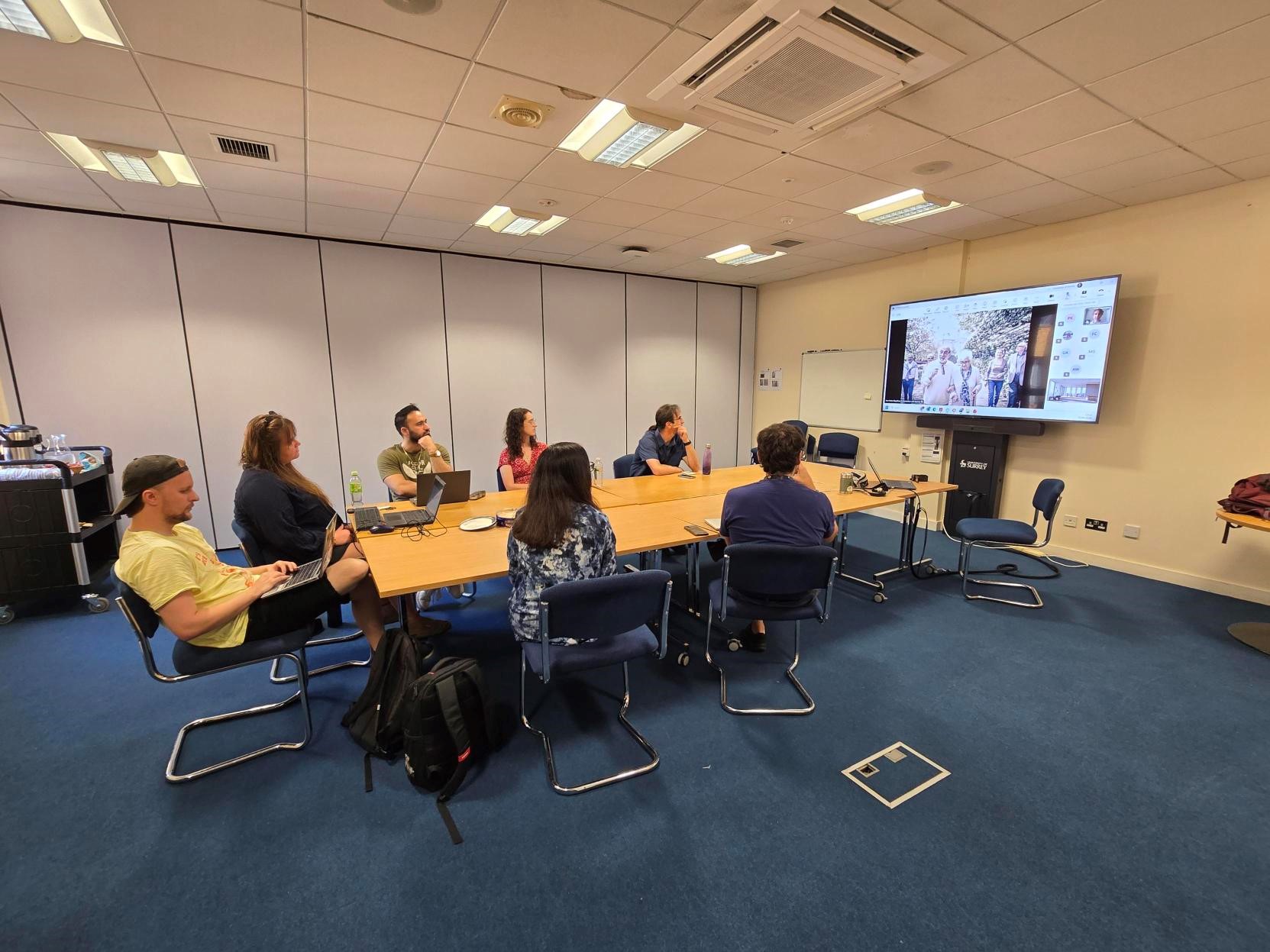
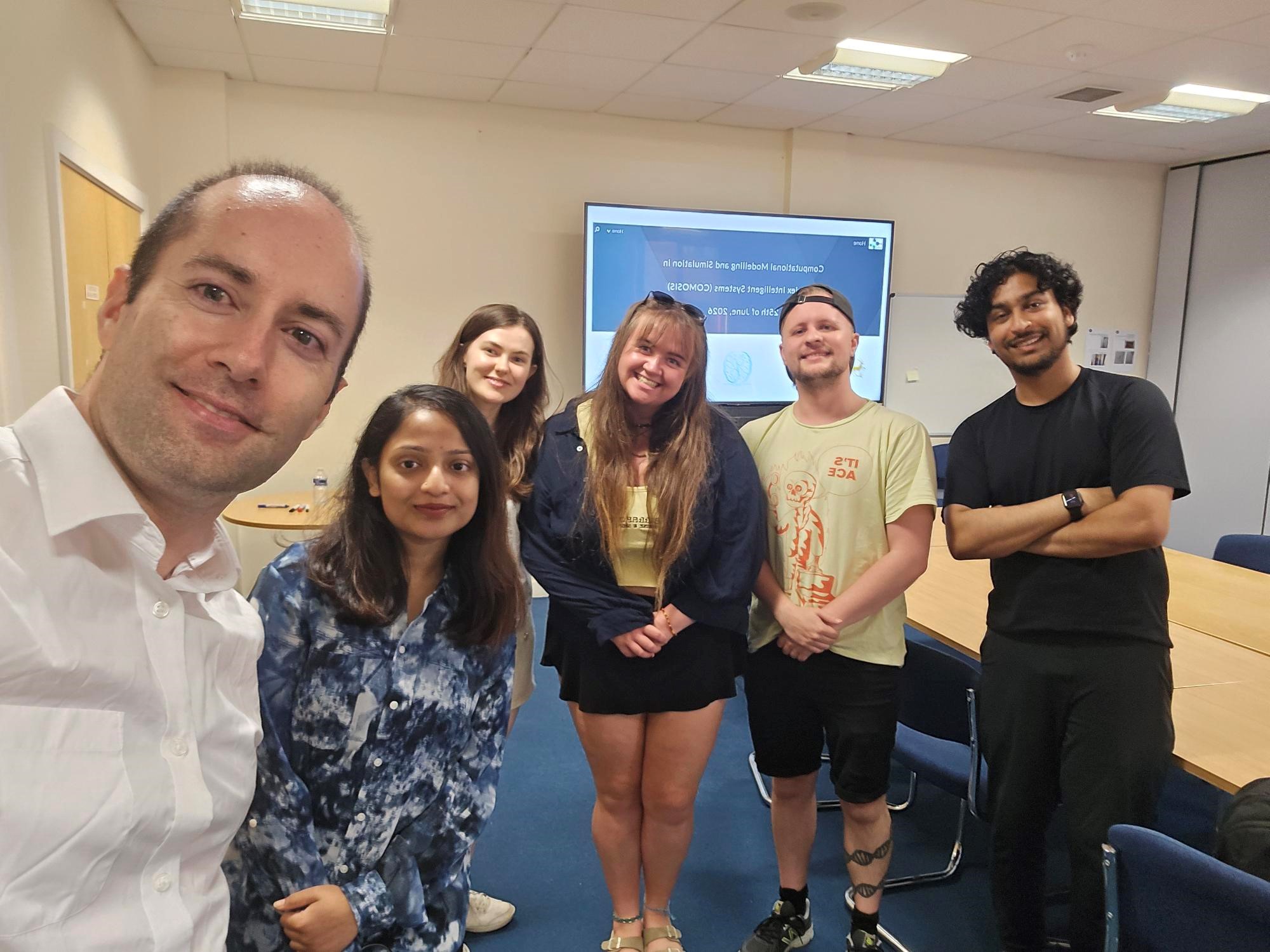
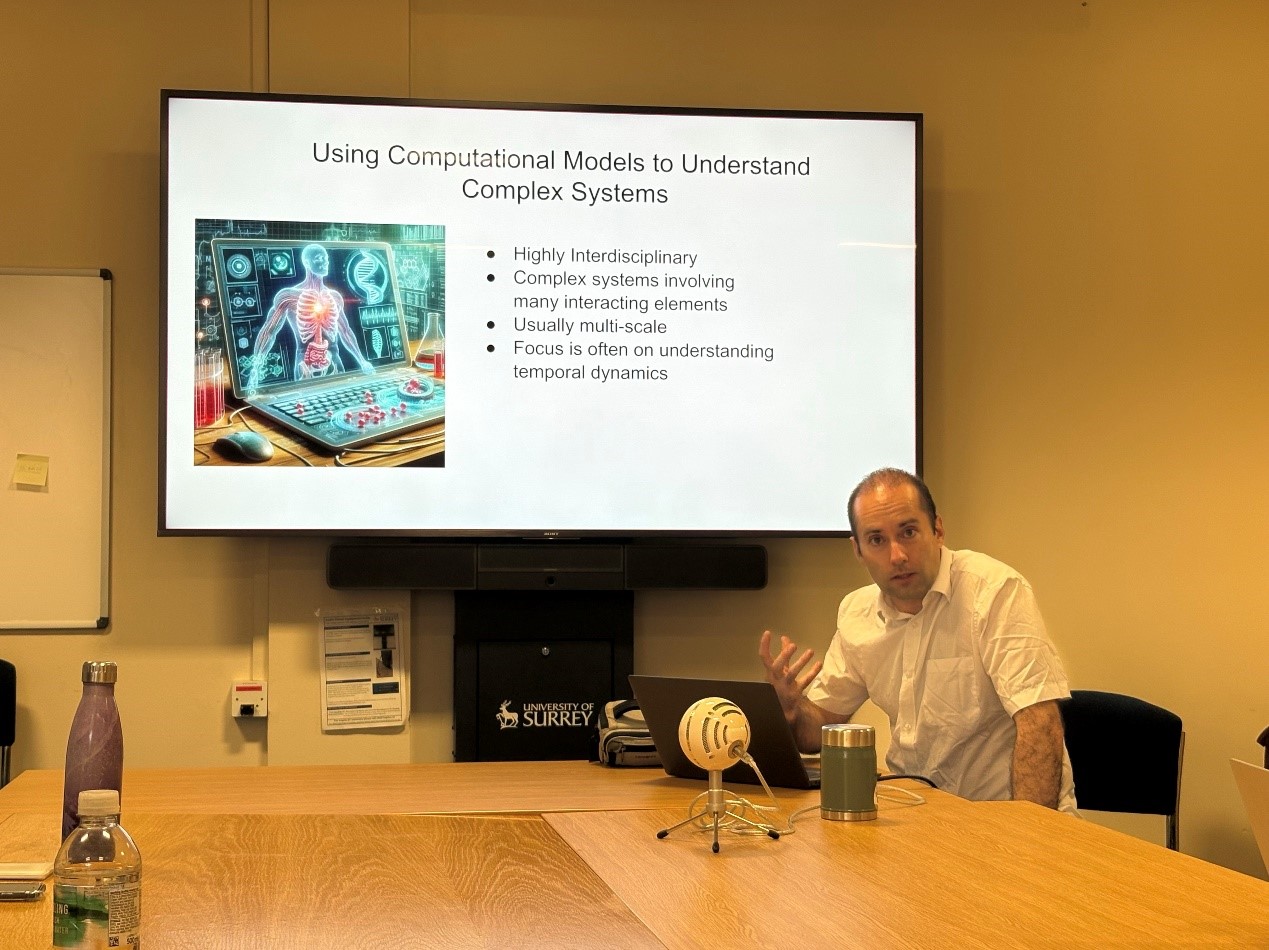
On 25 June 2026 the symposium "Computational Modelling and Simulation in Complex Intelligent Systems (COMOSIS)" was held in Guildford at the University of Surrey (UK). Hosted by the COMBYNE Lab, the workshop was organised as a hybrid event, bringing together researchers from academia to discuss computational and mathematical approaches for studying complex intelligent systems. The programme featured presentations from researchers at the University of Surrey and the University of Birmingham, covering computational approaches to ageing, AI and deep learning for prediction of knee osteoarthritis progression, explainable machine learning for epileptic seizure classification, genome-scale metabolic modelling, and computational models of cortical self-assembly. The workshop opened with an introduction on recent advances in computational modelling and simulation, followed by lively discussions on developing computational models that are both biologically realistic and computationally efficient.
The meeting fostered interdisciplinary exchange between researchers working in artificial intelligence, deep learning, systems biology, neuroscience, biomedical engineering and computational medicine. Participants discussed future collaborative opportunities and the growing role of computational modelling, simulation, machine learning and explainable AI in advancing both fundamental scientific understanding and biomedical applications. More information, including the workshop programme, can be found on the COMOSIS workshop webpage :https://www.combynelab.com/home/news/comosis2026.
University of Bath
Symposium Chair: Dr. Jie Zhang, Associate Professor in University of Bath
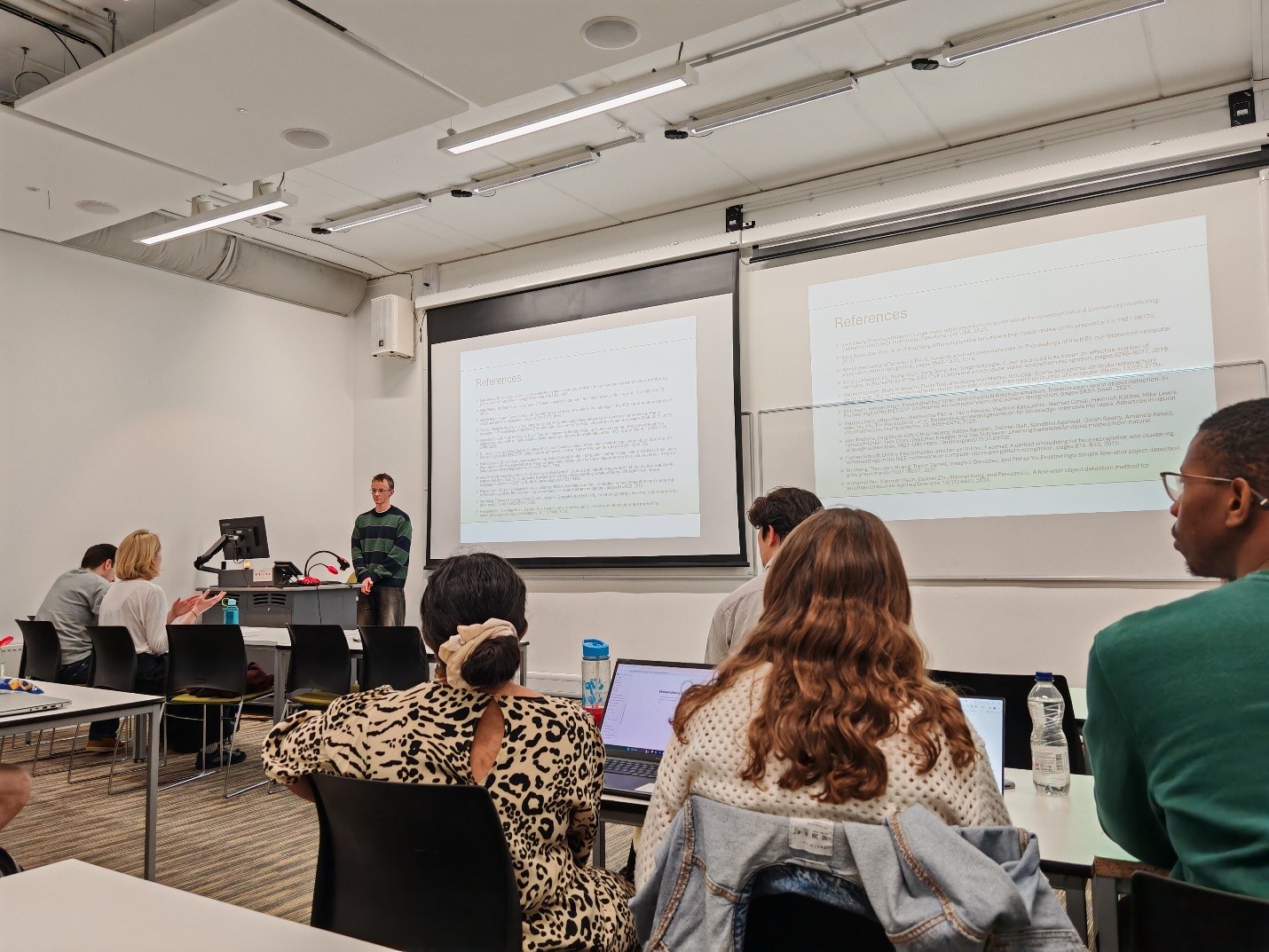
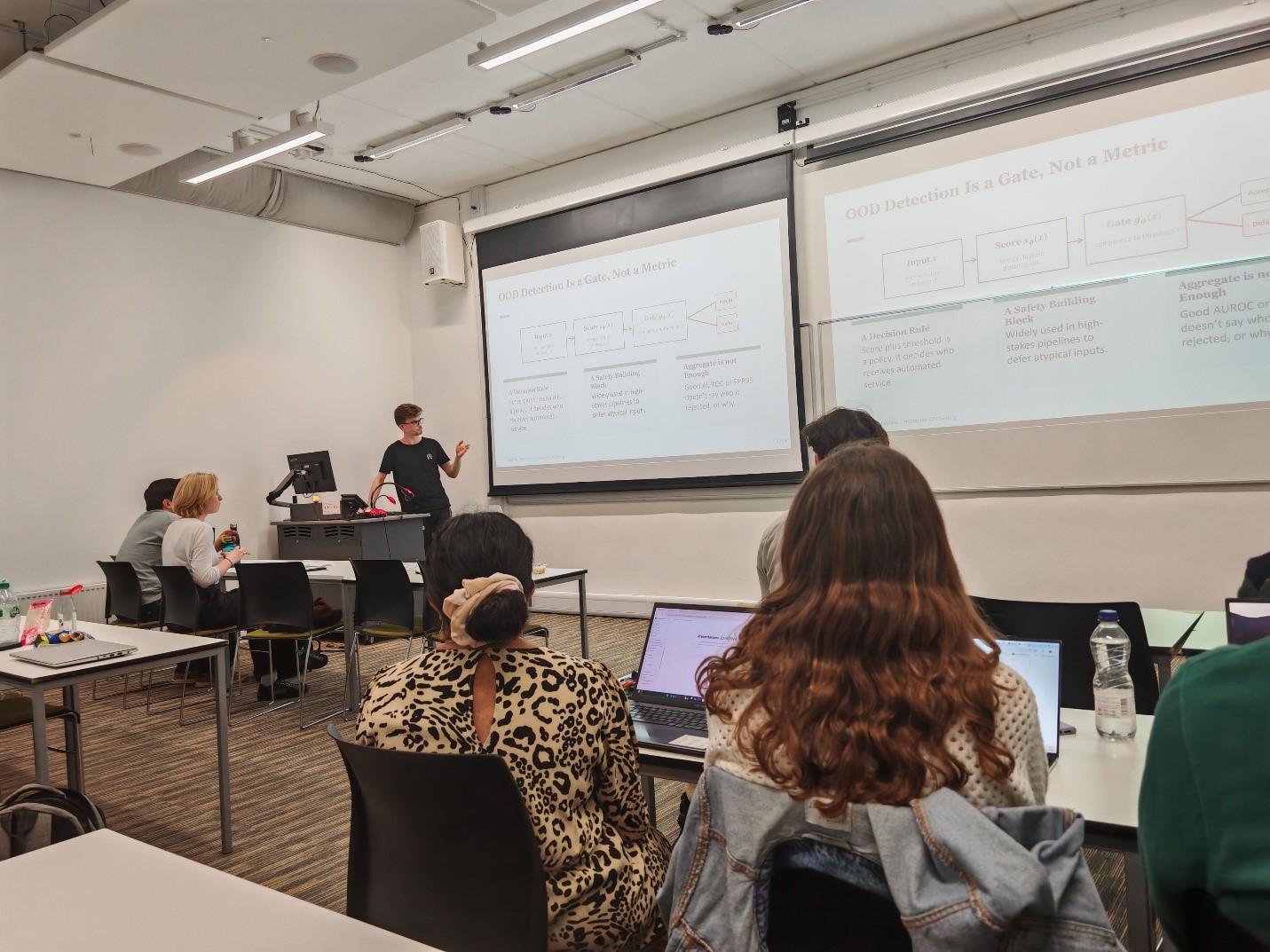
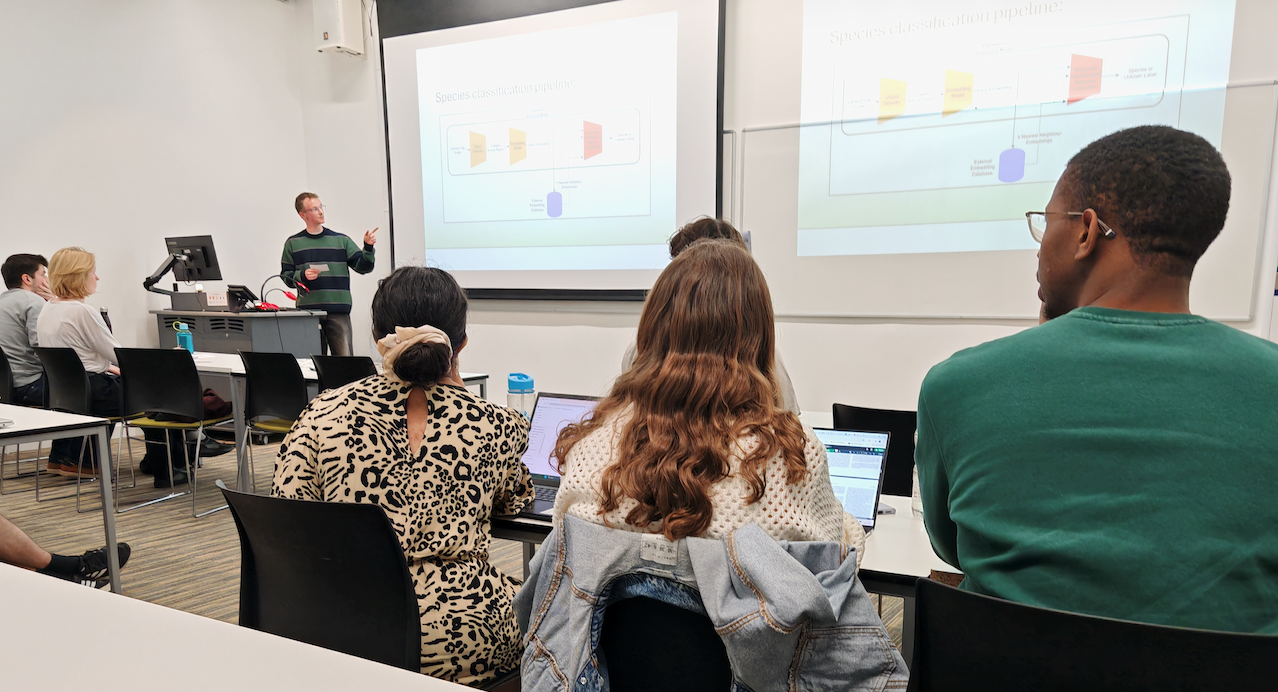
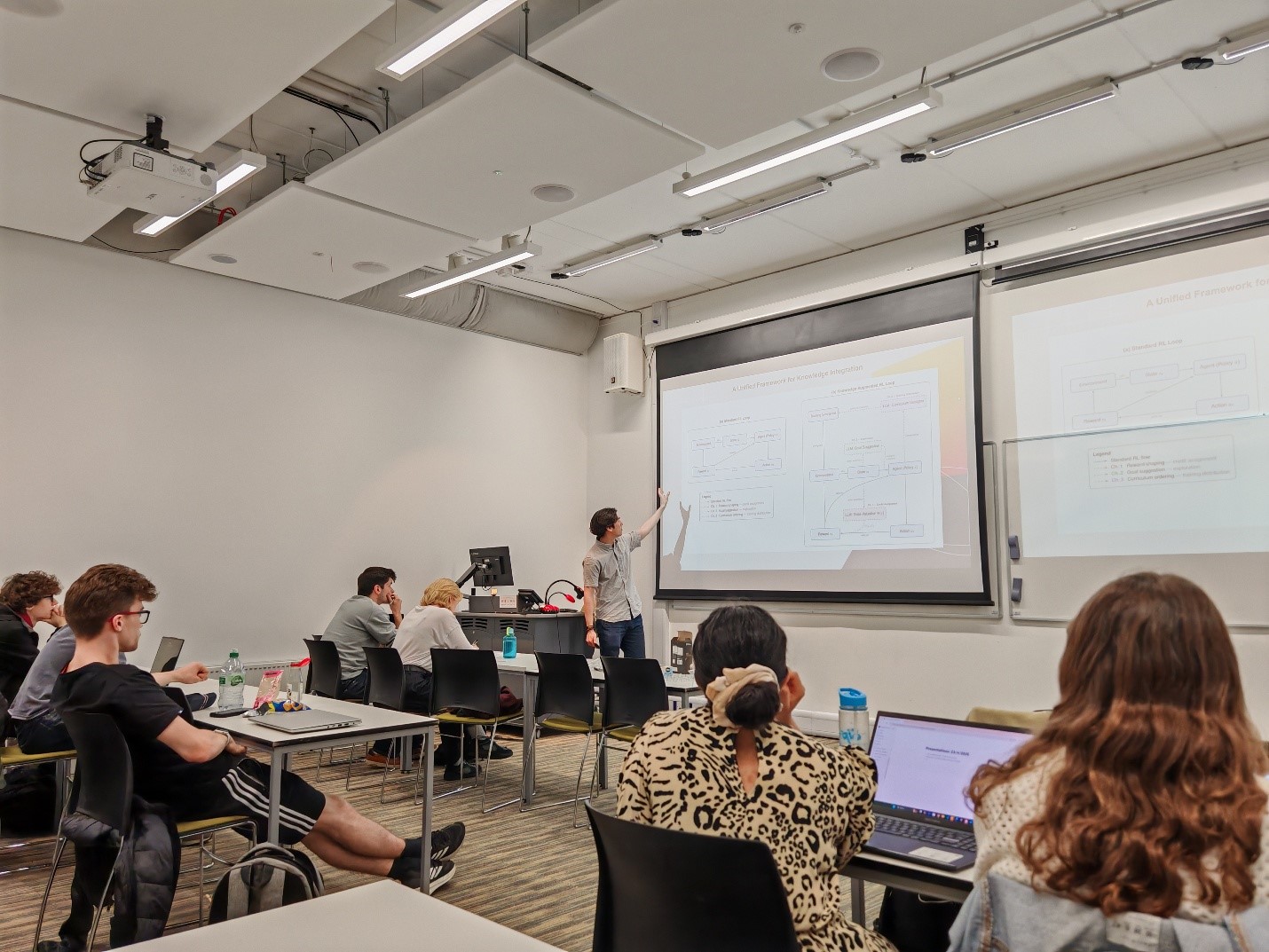
The symposium on Learning and Decision Making in Multi-Agent Software Systems, held on April 14, 2026 at the University of Bath, brought together researchers exploring how intelligent software components interact, learn, and make decisions in complex environments. The event focused on systems where multiple agents operate with partial information and potentially conflicting objectives, a setting increasingly common in modern digital infrastructures.
Discussions highlighted the limitations of traditional single-agent learning approaches and emphasized recent advances in multi-agent reinforcement learning, game-theoretic modeling, and collective intelligence. Participants examined key challenges such as coordination under uncertainty, stability in dynamic environments, and the design of incentives that align individual behaviors with system-level goals.
The symposium featured a range of contributions, from theoretical frameworks to practical applications in domains like autonomous services, communication systems, and distributed control. A recurring theme was the need to bridge foundational research with real-world implementation, ensuring that multi-agent systems remain transparent, reliable, and scalable.
Overall, the event provided a platform for exchanging emerging ideas, fostering collaboration, and identifying future research directions aimed at improving the effectiveness of learning and decision-making in complex, interactive software systems.
Nazarbayev University
Symposium Chair: Dr. Mian Umer Shafiq,Assistant Professor in Nazarbayev University
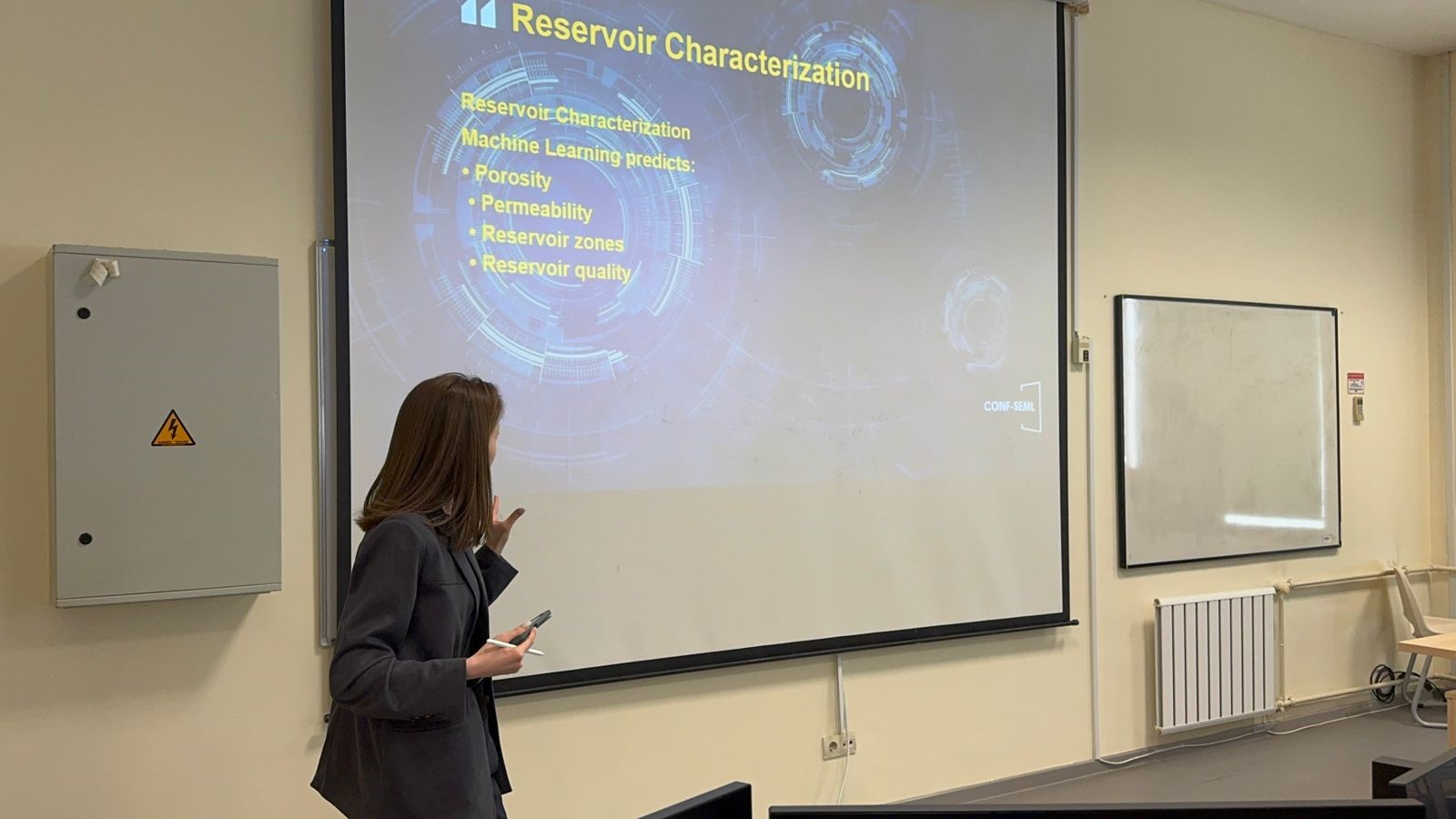
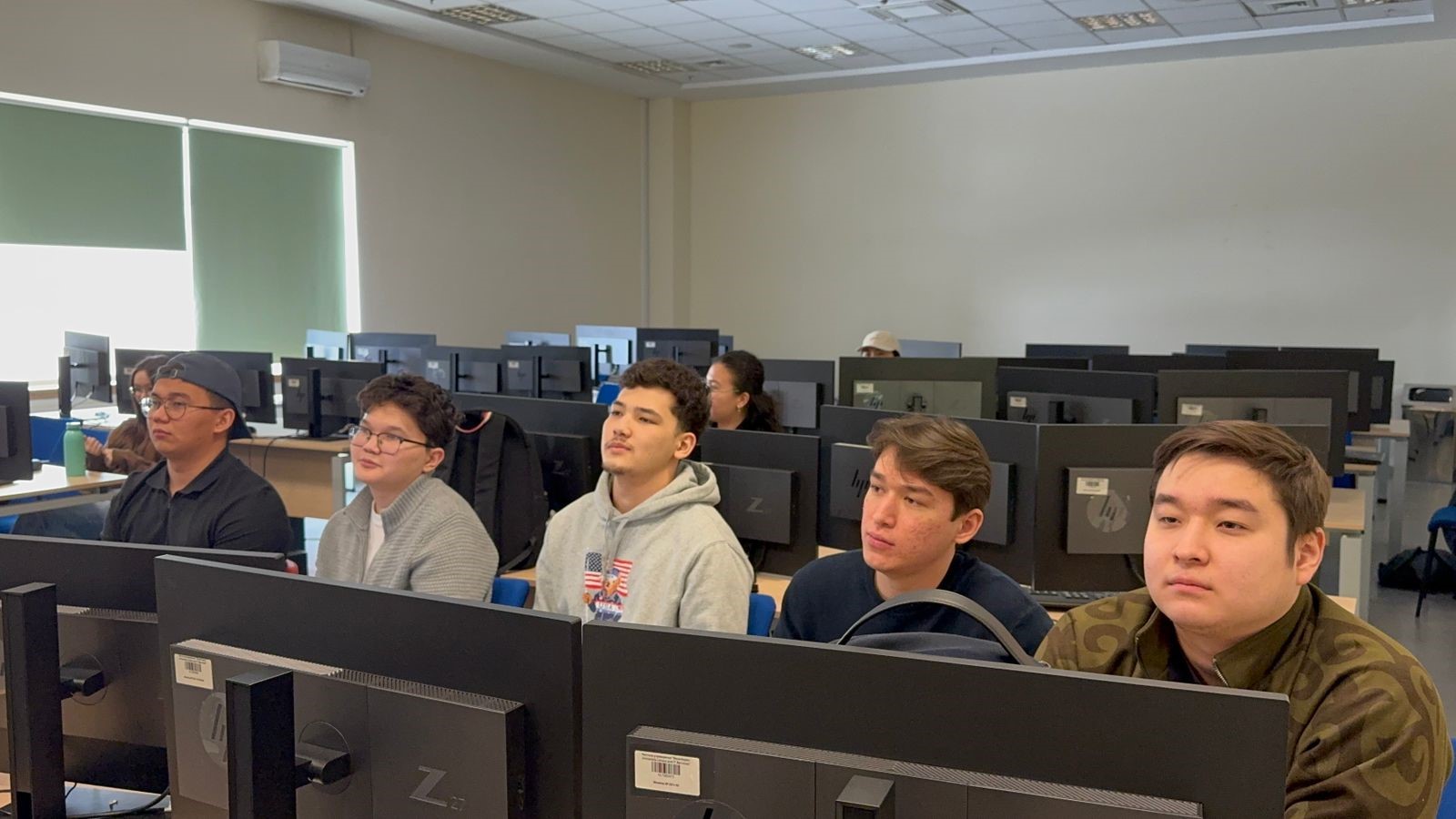
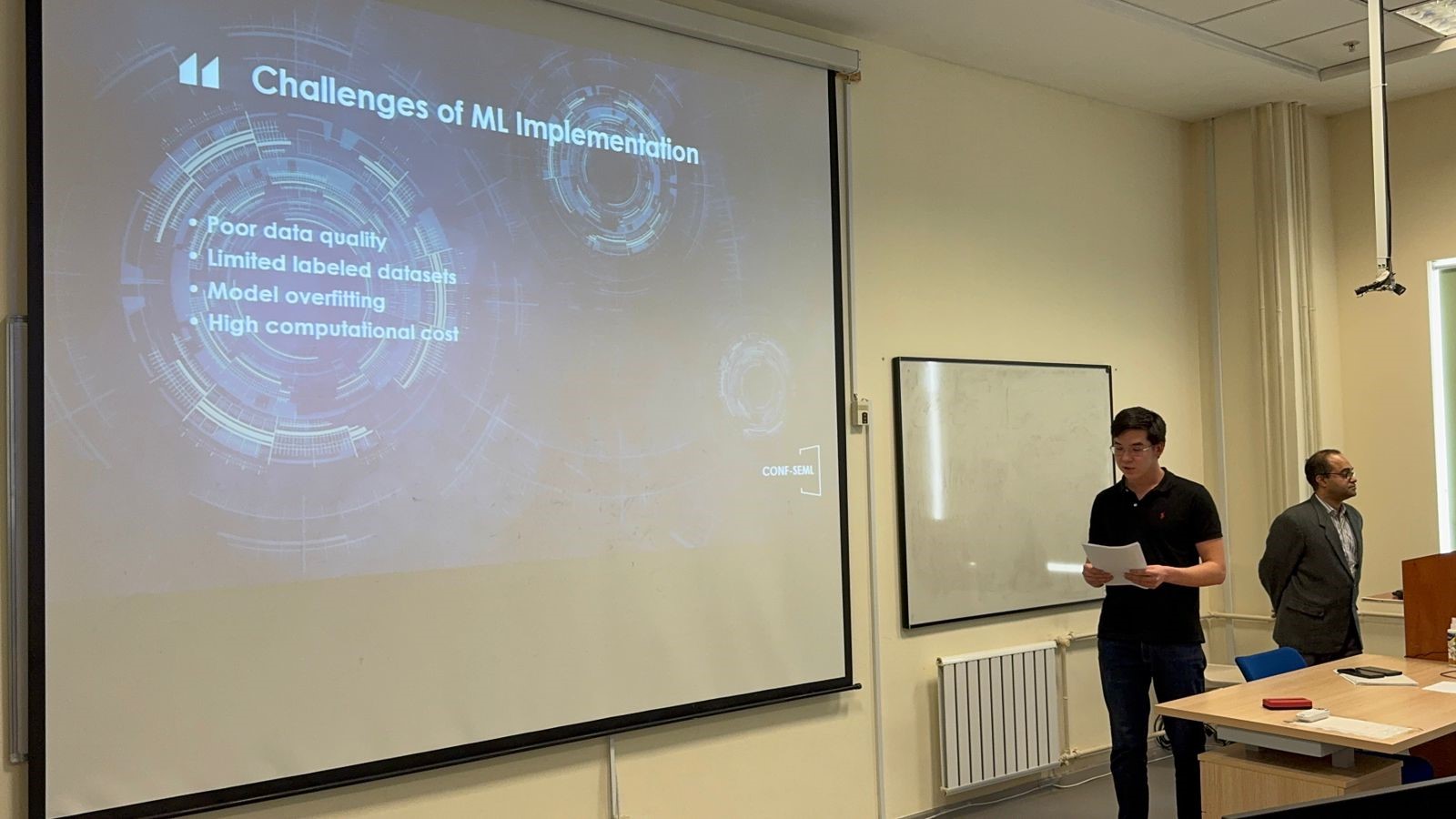
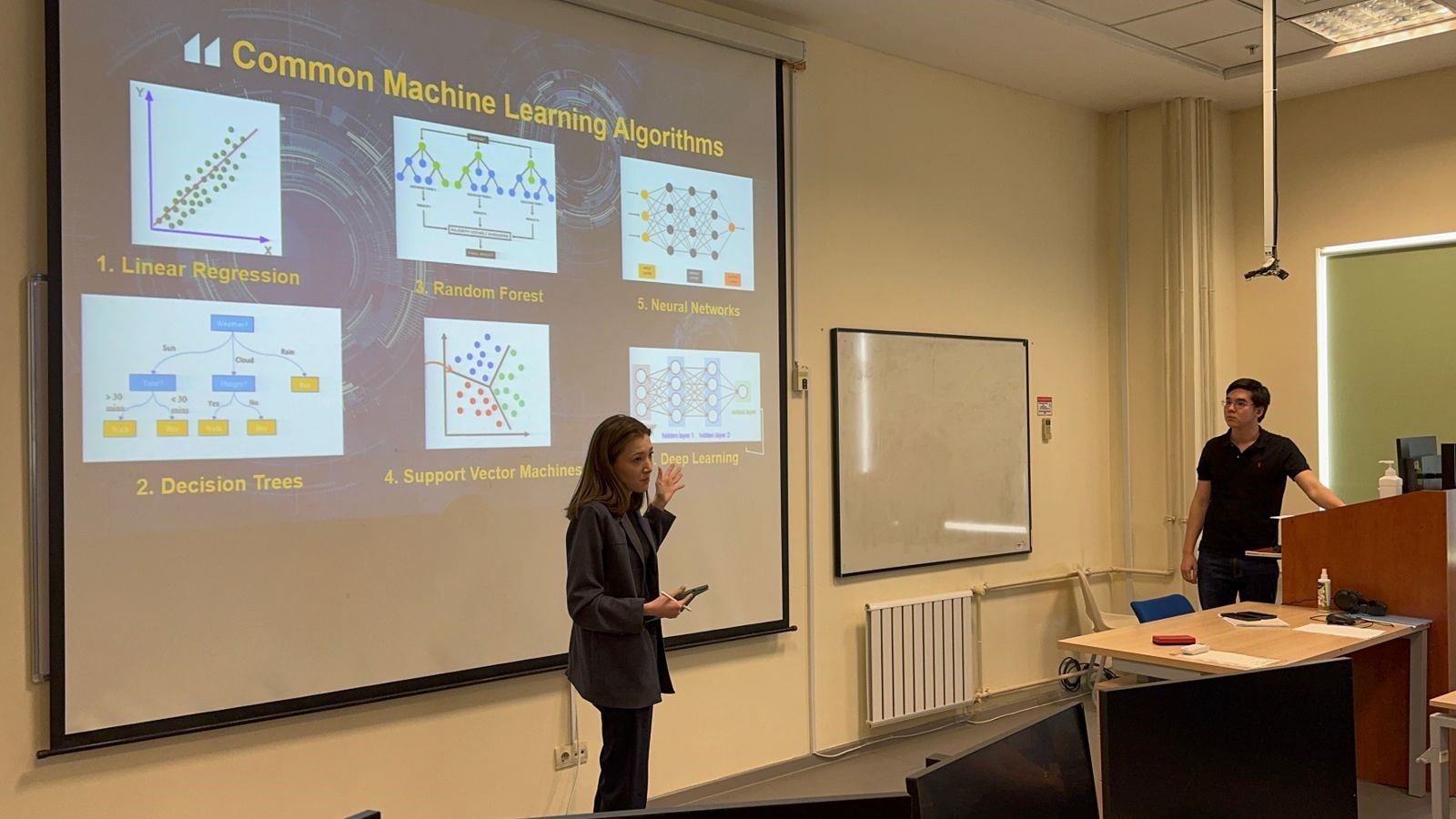
The symposium on “Importance of Machine Learning Methods and Analysis in Engineering” was conducted by Professor Mian Umer Shafiq, Medet Nuradin, and Aruzhan Zhaksylyk at the School of Mining and Geosciences, Nazarbayev University, on March 20th, 2026. The main goal of the symposium was to comprehensively discuss the role of ML in the engineering sector.
Professor Shafiq began the presentation with general information about AI and ML, emphasizing the importance of ML in engineering and the sources of engineering data for ML models. Aruzhan continued the presentation by thoroughly explaining the ML workflow and common ML algorithms. After that, she shared the most important uses of ML in petroleum engineering, namely drilling optimization, reservoir characterization, production forecasting, and enhanced oil recovery. Aruzhan finished her part with a case study on pump failure prediction and some of the common ML tools for engineers. Medet began by analyzing the challenges in ML implementations, including the difficulties of integrating ML workflows into existing solutions. He also covered an important topic of ethical considerations while using ML. Medet continued with sharing prospects of ML in engineering, such as digital oil fields, real-time predictive analytics, autonomous drilling systems, and smart reservoir management. He concluded the symposium with an example of AI-based Gas Lift Optimization and a brief Q&A session.
To conclude, students clearly understood the increasing role of ML in engineering and the rising need for integrating engineering principles with data-driven methods.
Online Session
The online session of the Conference on Software Engineering and Machine Learning (CONF-SEML 2026) was held on June 26, 2026. Dr. Marwan Omar from the Illinois Institute of Technology, Dr. Jie Zhang from University of Bath, Dr. Roman Bauer from University of Surrey, and Dr. Mian Umer Shafiq from Nazarbayev University have given keynote speeches on related topics of machine learning, deep learning, etc.
Highlights
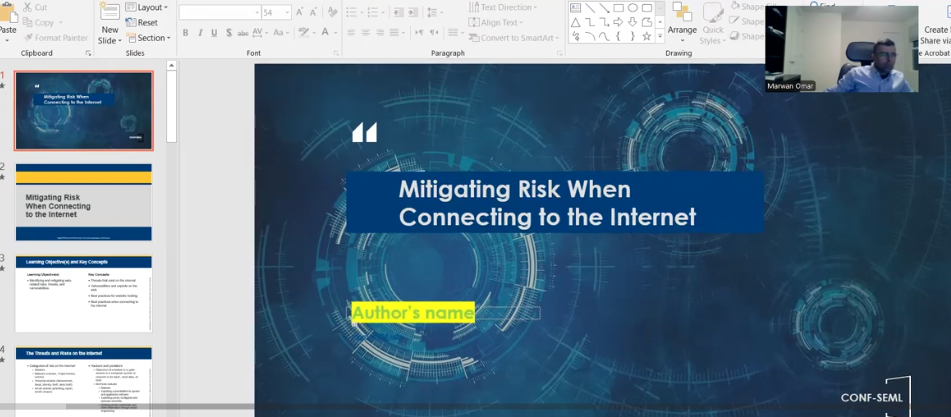
Title of Speech: Mitigating Risk When Connecting to the Internet
Presented by: Dr. Marwan Omar, Associate Professor, Faculty of Information
Technology and Management, Illinois Institute of Technology
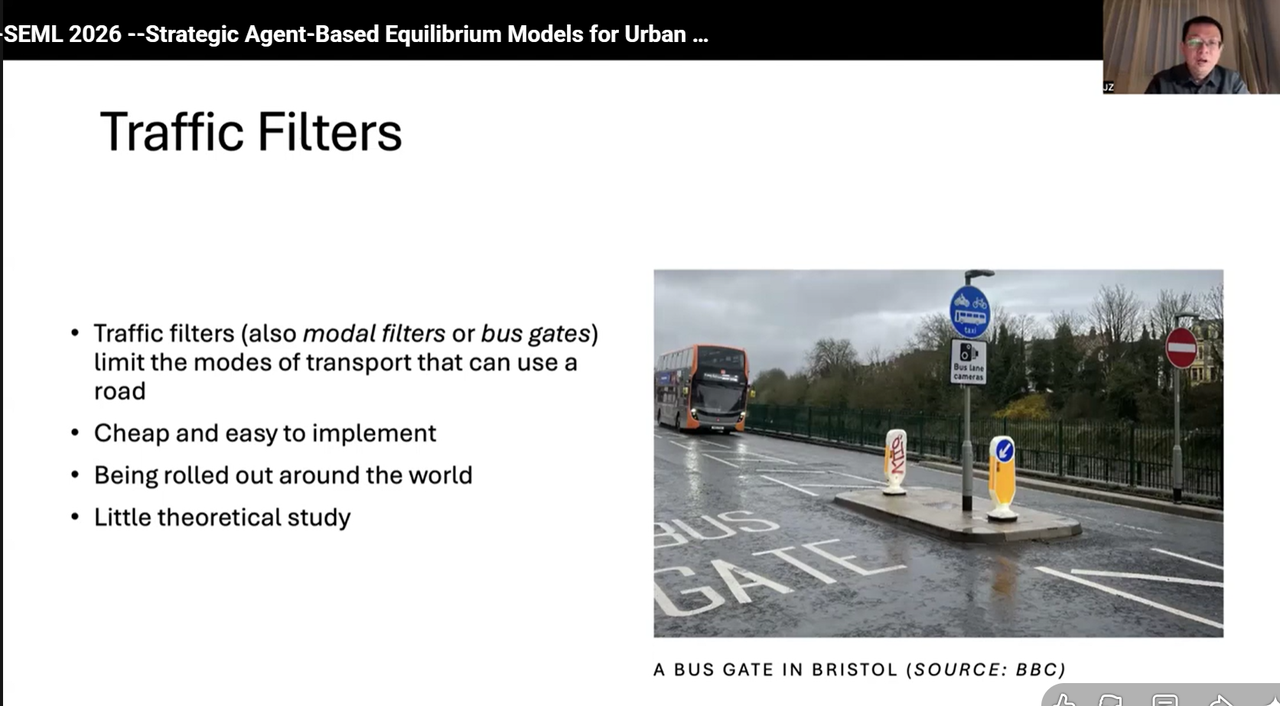
Title of Speech: Strategic Agent-Based Equilibrium Models for Urban
Mobility: The Traffic Filter Location Problem
Presented by: Dr. Jie Zhang, Associate Professor, Department of Computer
Science, University of Bath
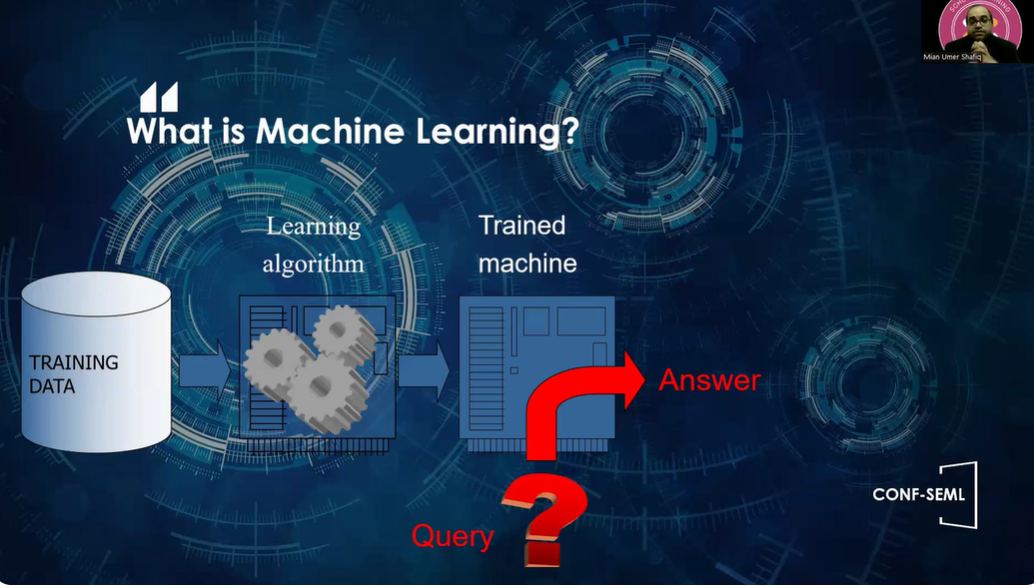
Title of Speech: Machine Learning Methods and Analysis
Presented by: Dr. Mian Umer Shafiq, Assistant Professor, School of Mining
and Geosciences, Nazarbayev University
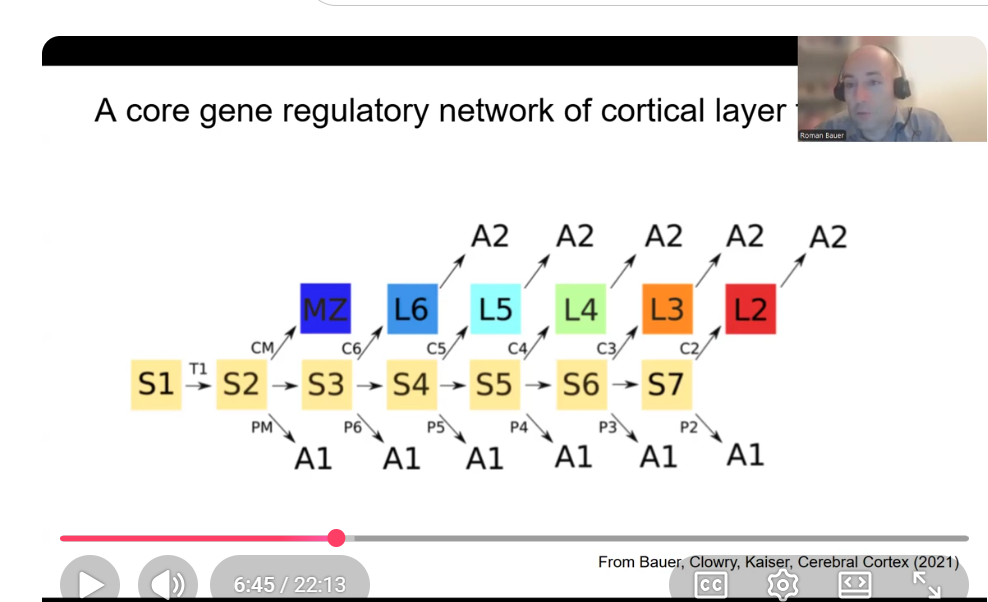

Title of Speech: Developmental Rules, Emergent Intelligence: Insights from
Computational Models of Brain Development
Presented by: Dr. Roman Bauer, Lecturer, Department of Computer Science,
University of Surrey
Videos
You can find the Youtube Playlist of online session Here.
Publications
Conference proceedings
Accepted papers of CONF-SEML 2026 have been published in Applied and Computational Engineering (Print ISSN 2755-2721), and have been submitted to EI Compendex, Conference Proceedings Citation Index (CPCI), Crossref, Portico, Inspec, Google Scholar, CNKI, and other databases for indexing.
Title: Applied and Computational Engineering (ACE)
Press: EWA Publishing
ISSN: 2755-2721 (Print) 2755-273X (electronic)