CONF-SEML 2025
The 3rd International Conference on Software Engineering and Machine Learning (CONF-SEML 2025) is a leading conference on software engineering and machine learning. CONF-SEML 2025 is open to international participants. It provides an excellent opportunity for scholars interested in artificial intelligence and information technology to share their findings and achievements, thus promoting communication and cooperation. The goal of this conference is to bring together researchers and practitioners from academia and industry to highlight the importance of computing and data science as well as establish new collaborations in these areas. The conference looks for significant contributions to machine learning and computer applications in theoretical and practical aspects. CONF-SEML 2025 is a hybrid conference, establishing an online session and welcoming participants from all countries and regions to join whenever and wherever possible. Meanwhile, to facilitate broader academic exchange and knowledge sharing, CONF-SEML 2025 will host multiple on-site symposium series at University of Bath, Tianjin University, and Illinois Institute of Technology. Authors are welcome to submit their manuscripts to the symposium series, each of which will independently handle the submission and review process.
Symposium Series
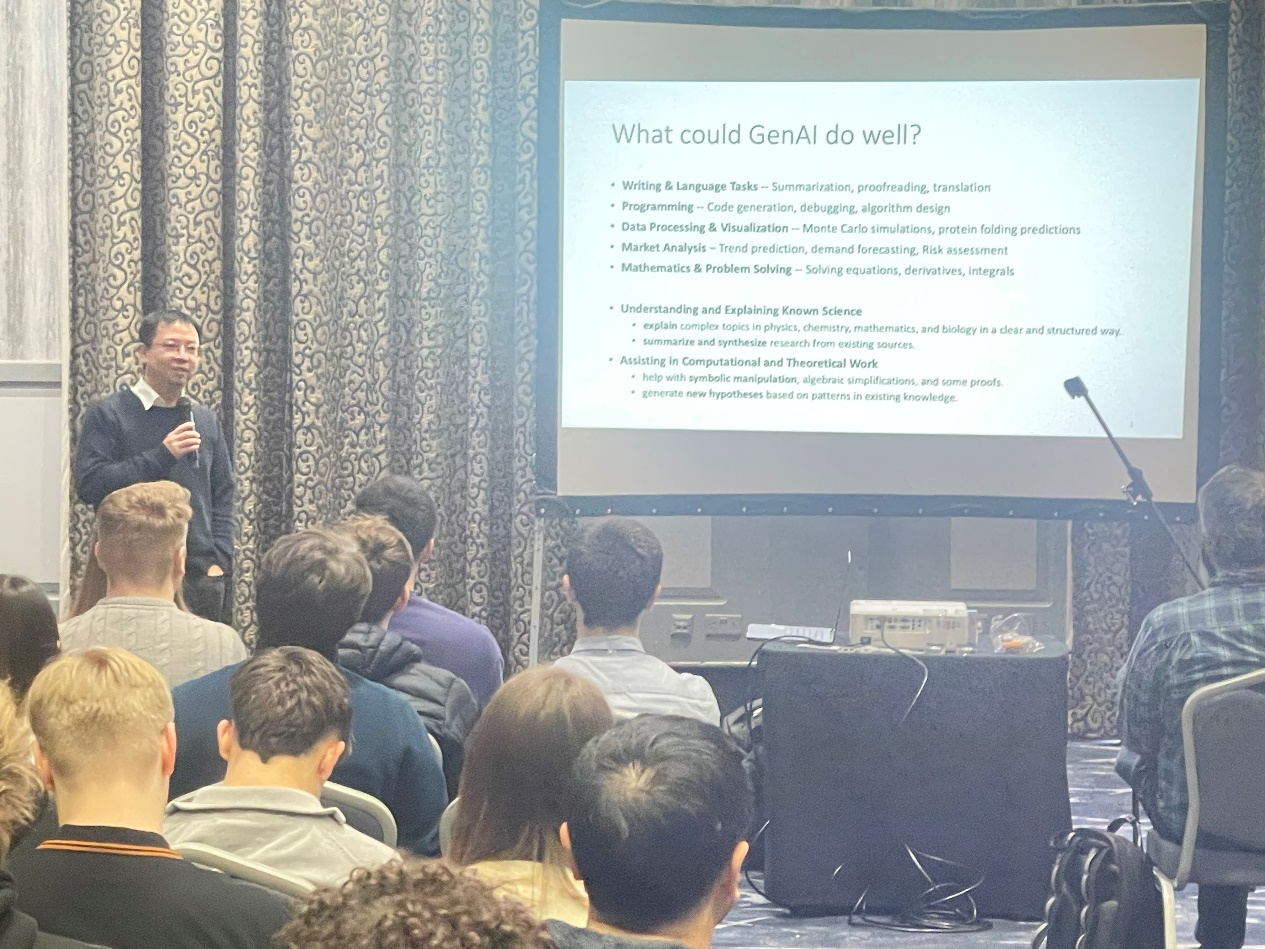
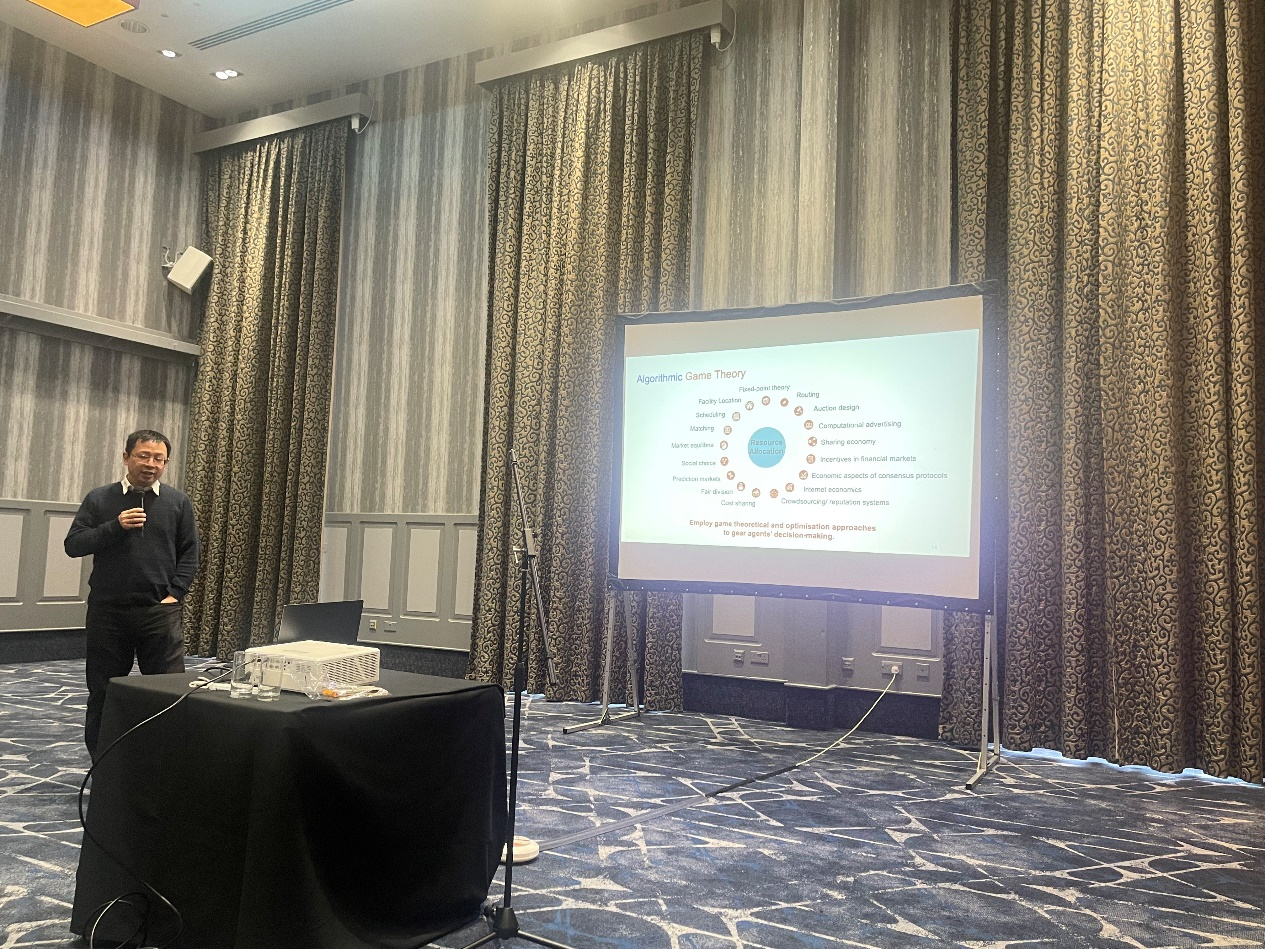
Symposium – Bath: Strategic Learning in Machine Intelligence
Symposium Chair: Dr. Jie Zhang, Associate Professor in University of Bath
The symposium “Strategic Learning in Machine Intelligence” is dedicated to exploring the intersection of machine learning and game theory, with a focus on strategic learning in multi-agent environments. As AI systems increasingly operate in complex, interactive settings, such as autonomous driving, digital marketplaces, and smart infrastructure, there is a growing need to understand how intelligent agents can learn and make decisions when facing competition, cooperation, or both. Traditional machine learning approaches often fall short in dynamic, adversarial contexts. By incorporating game-theoretic principles such as Nash equilibrium, mechanism design, and incentive alignment, researchers can build AI systems that are more robust, adaptable, and ethically grounded. This workshop brings together experts and practitioners to discuss recent advances in adversarial learning, multi-agent reinforcement learning, and strategic behavior modeling. Participants are invited to share novel methodologies, theoretical insights, and real-world case studies that highlight the role of strategic interactions in machine intelligence. The workshop aims to foster interdisciplinary collaboration and spark new research directions that address the unique challenges of strategic learning. Special attention is given to fairness, system efficiency, and the broader societal implications of deploying AI in environments shaped by competing objectives.
Symposium – Tianjin: Machine Learning Theory and Applications
Symposium Chair: Dr. Hui-Rang Hou, Associate Professor in Tianjin University
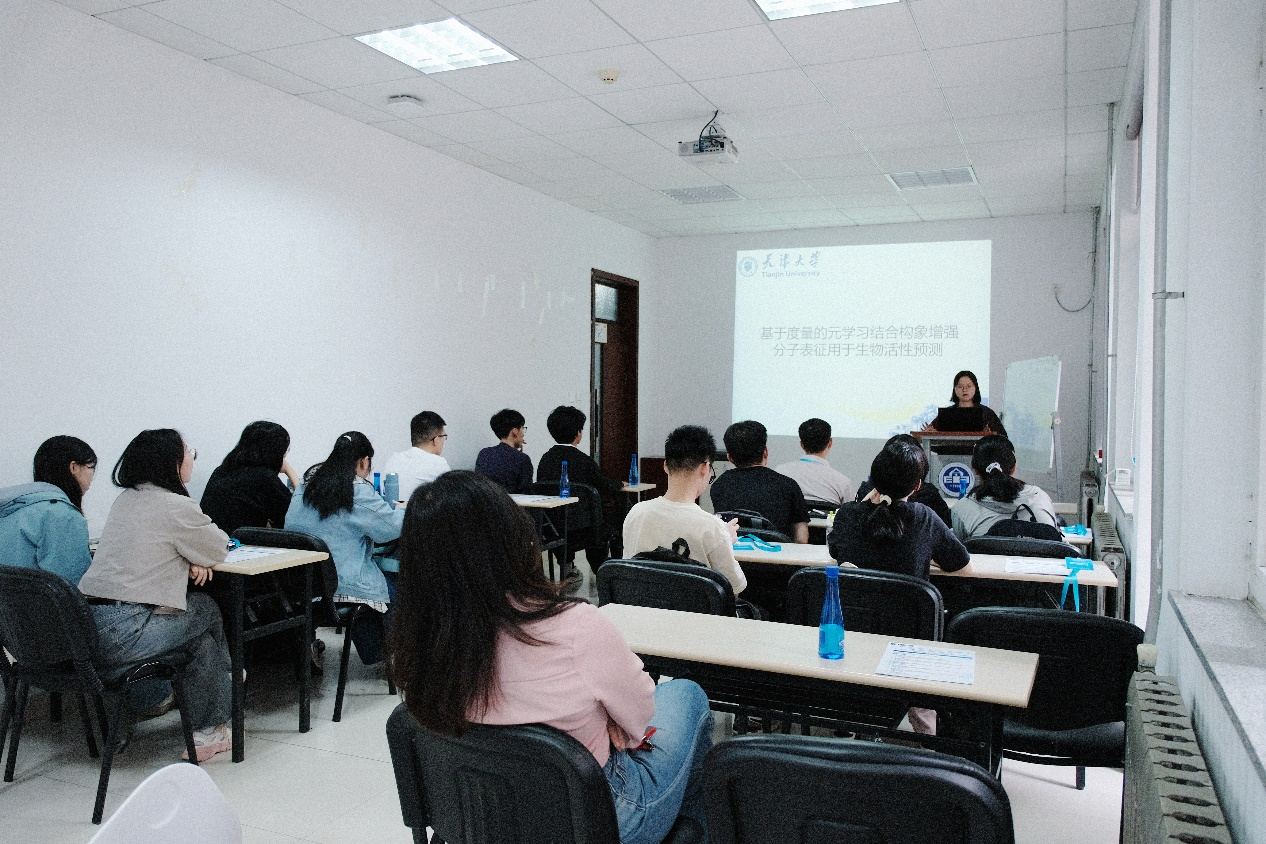
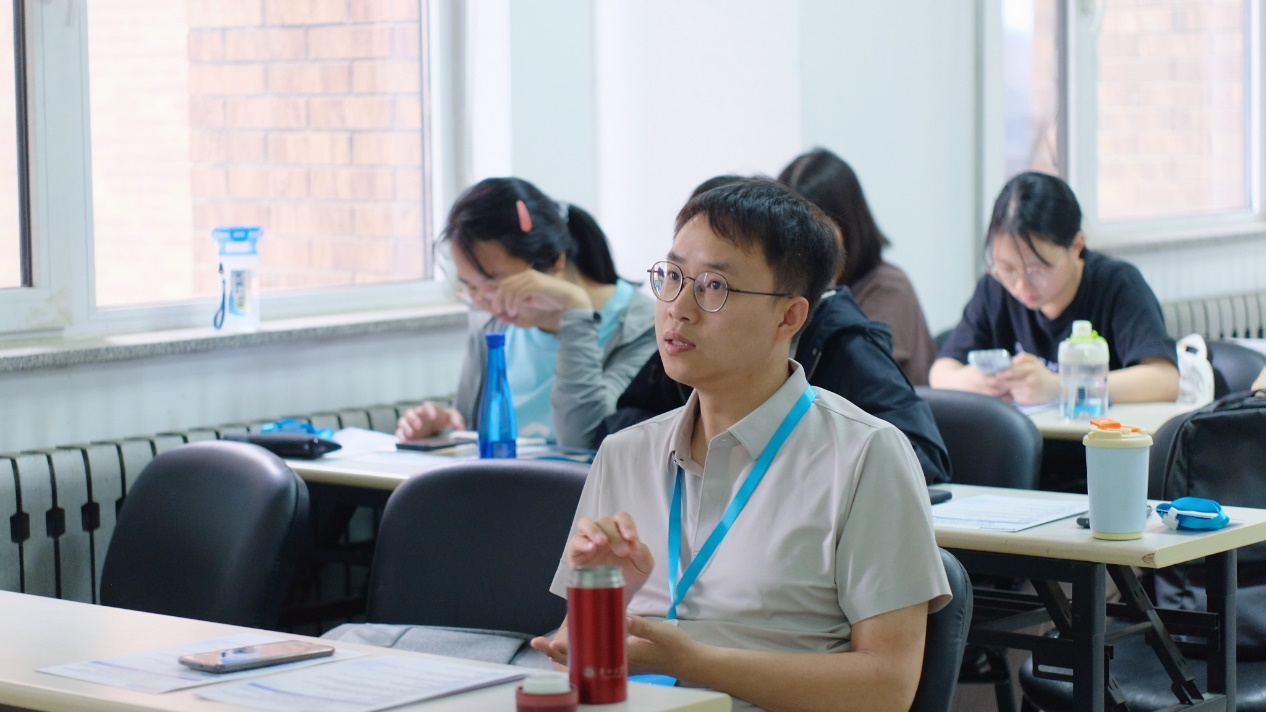
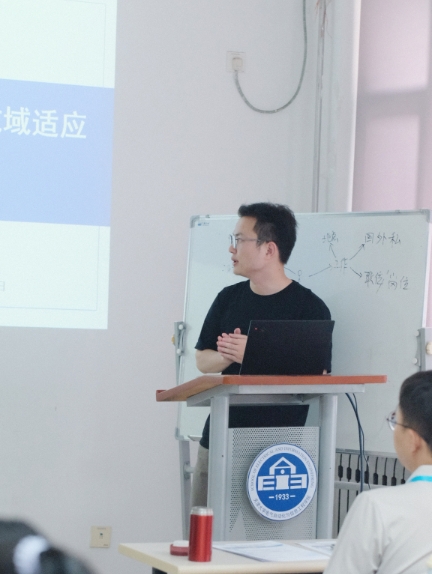
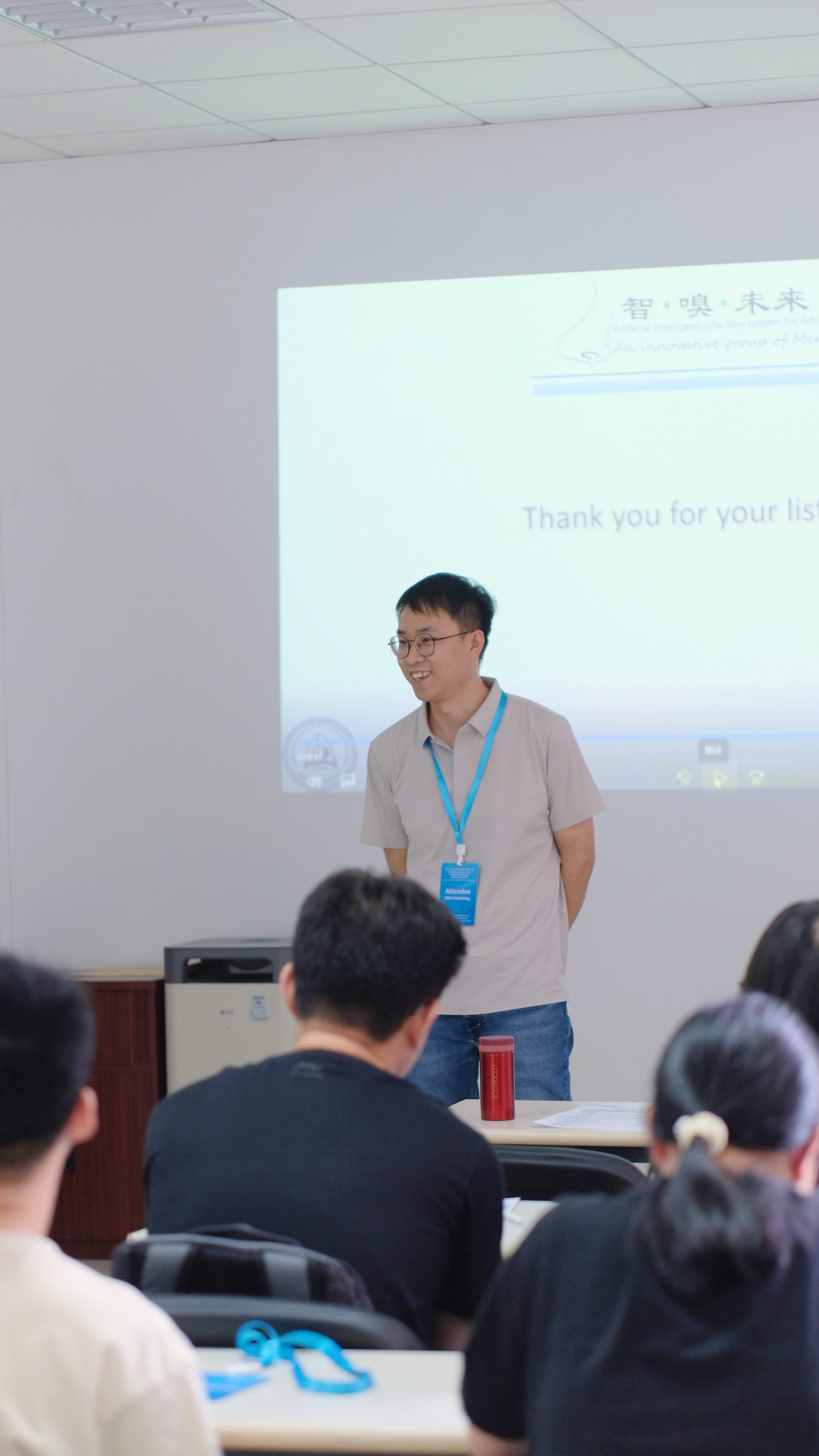
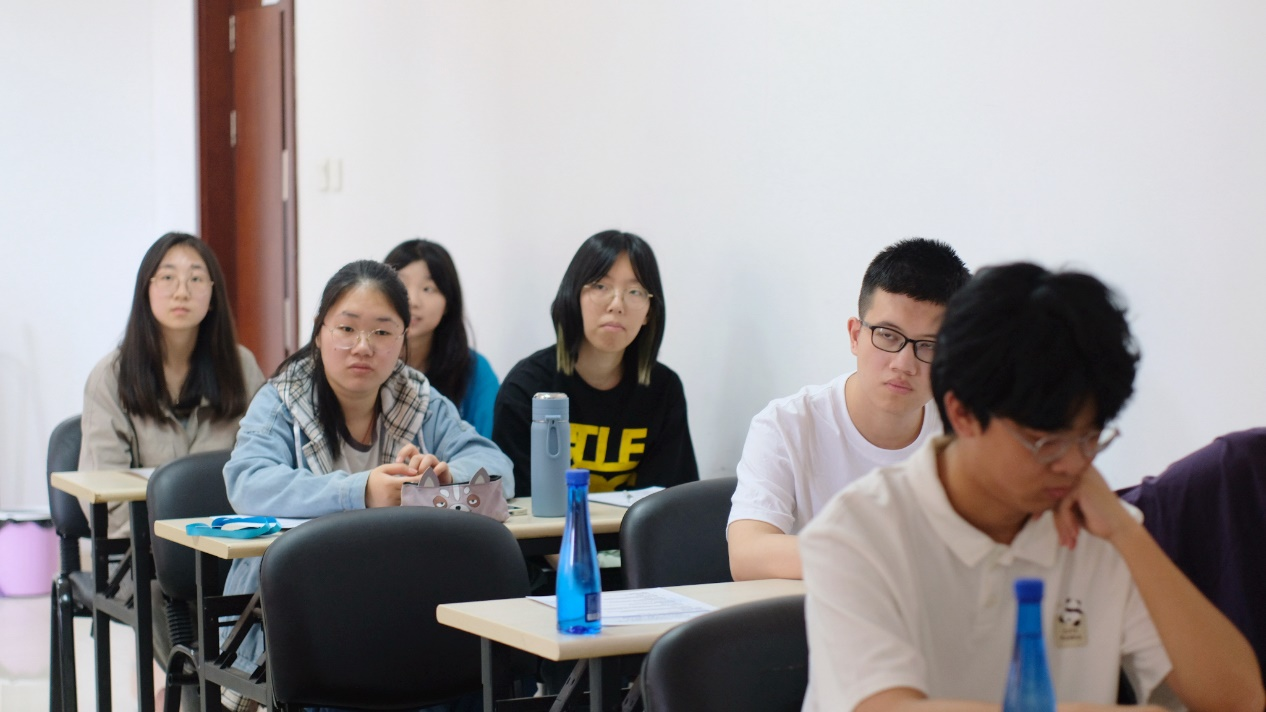
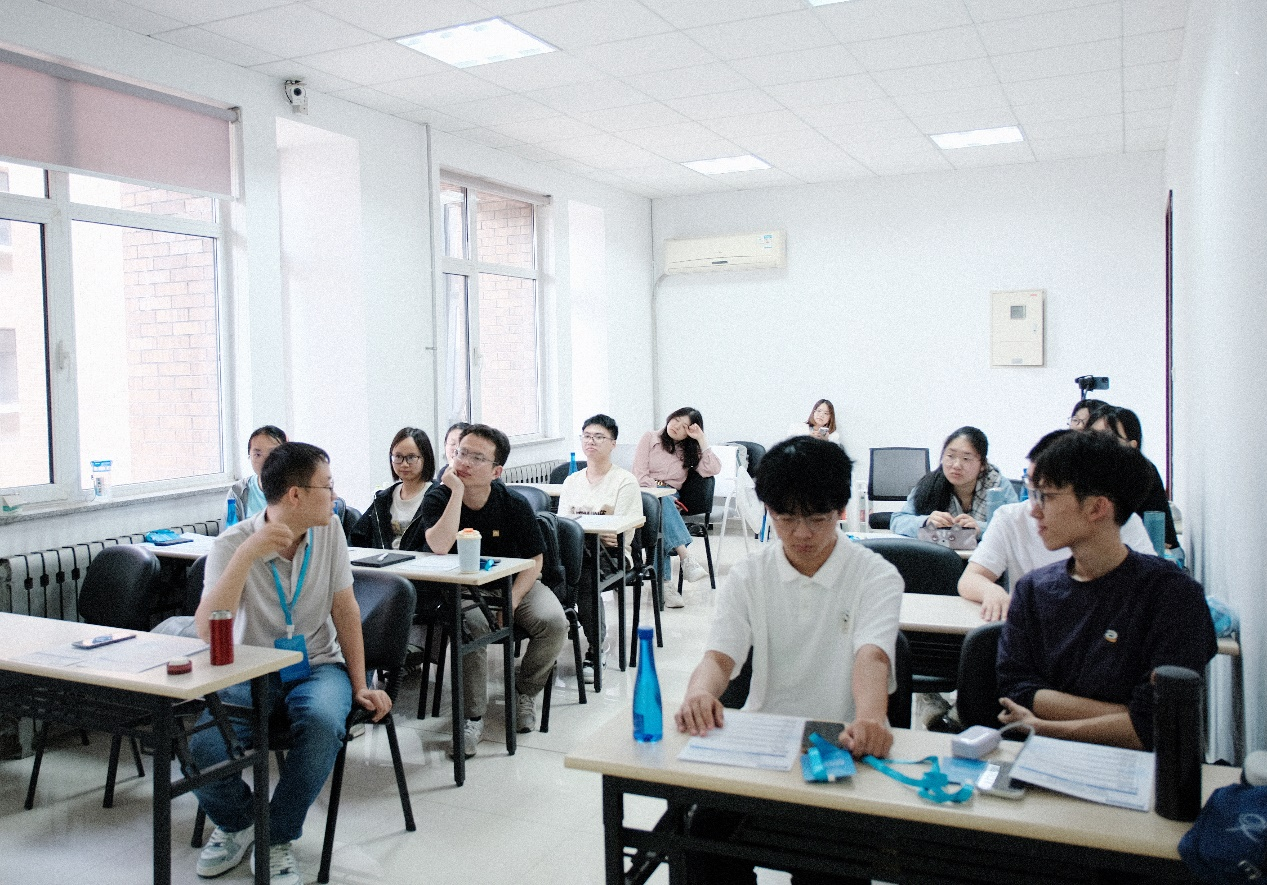
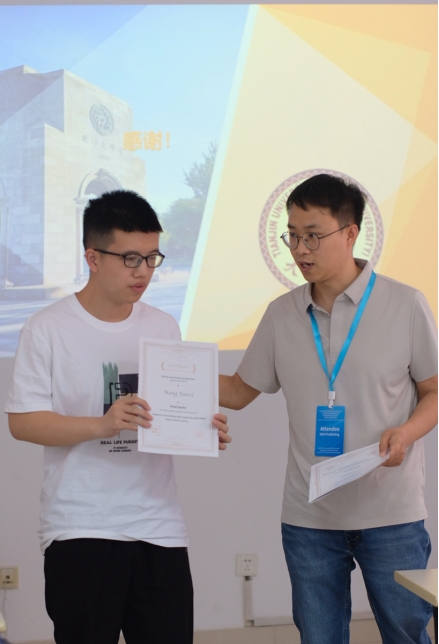
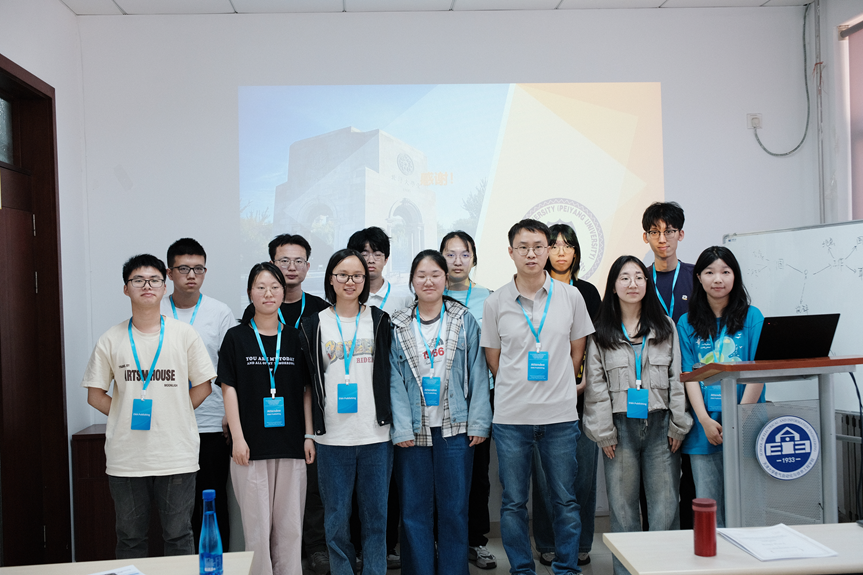
On May 18, 2025, the symposium "Machine Learning Theory and Applications" was held at Tianjin University. This symposium brought together researchers to explore cutting-edge advancements in the field. Key topics included efficient model training, deep learning, and their applications in molecular design and image processing. Presentations covered neural network architectures for drug molecule design, image classification, and predictive modeling. Panel discussions facilitated in-depth exchanges on the application of machine learning across various domains. Overall, the event successfully bridged theoretical research and practical deployment challenges, inspiring innovative solutions for resource-constrained scenarios. Future symposiums aim to expand discussions on ethical AI and sustainable development in machine learning.
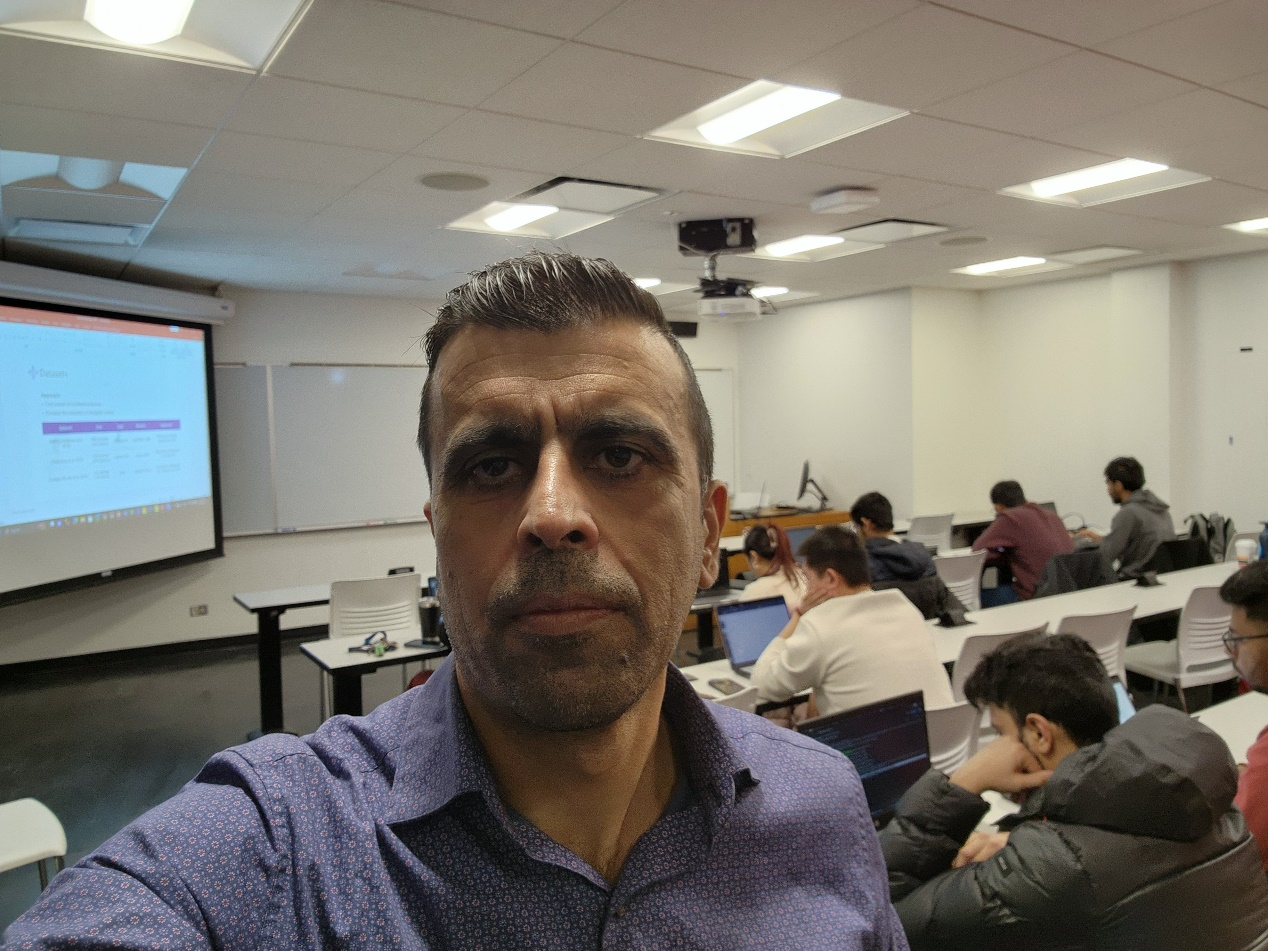
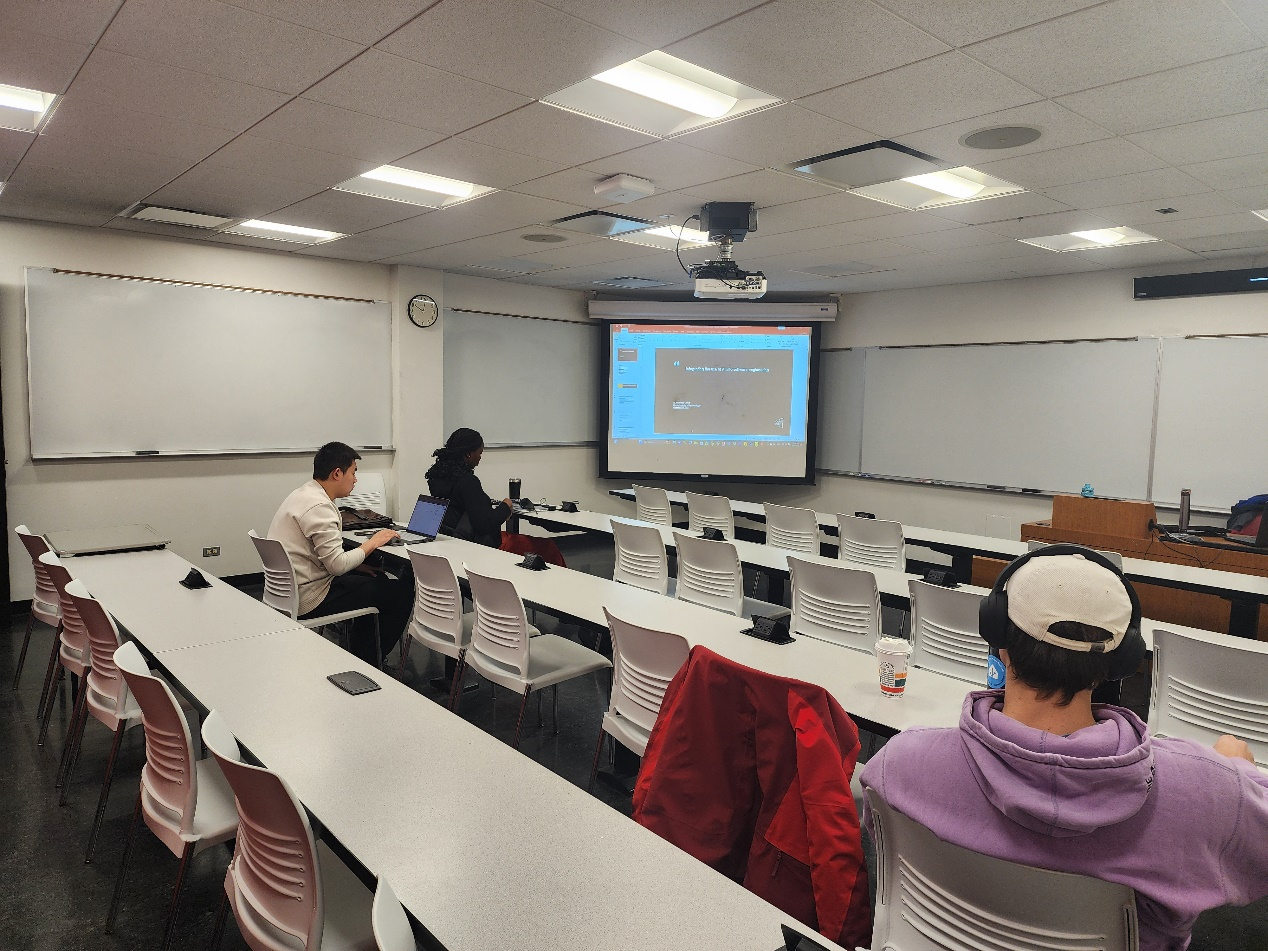
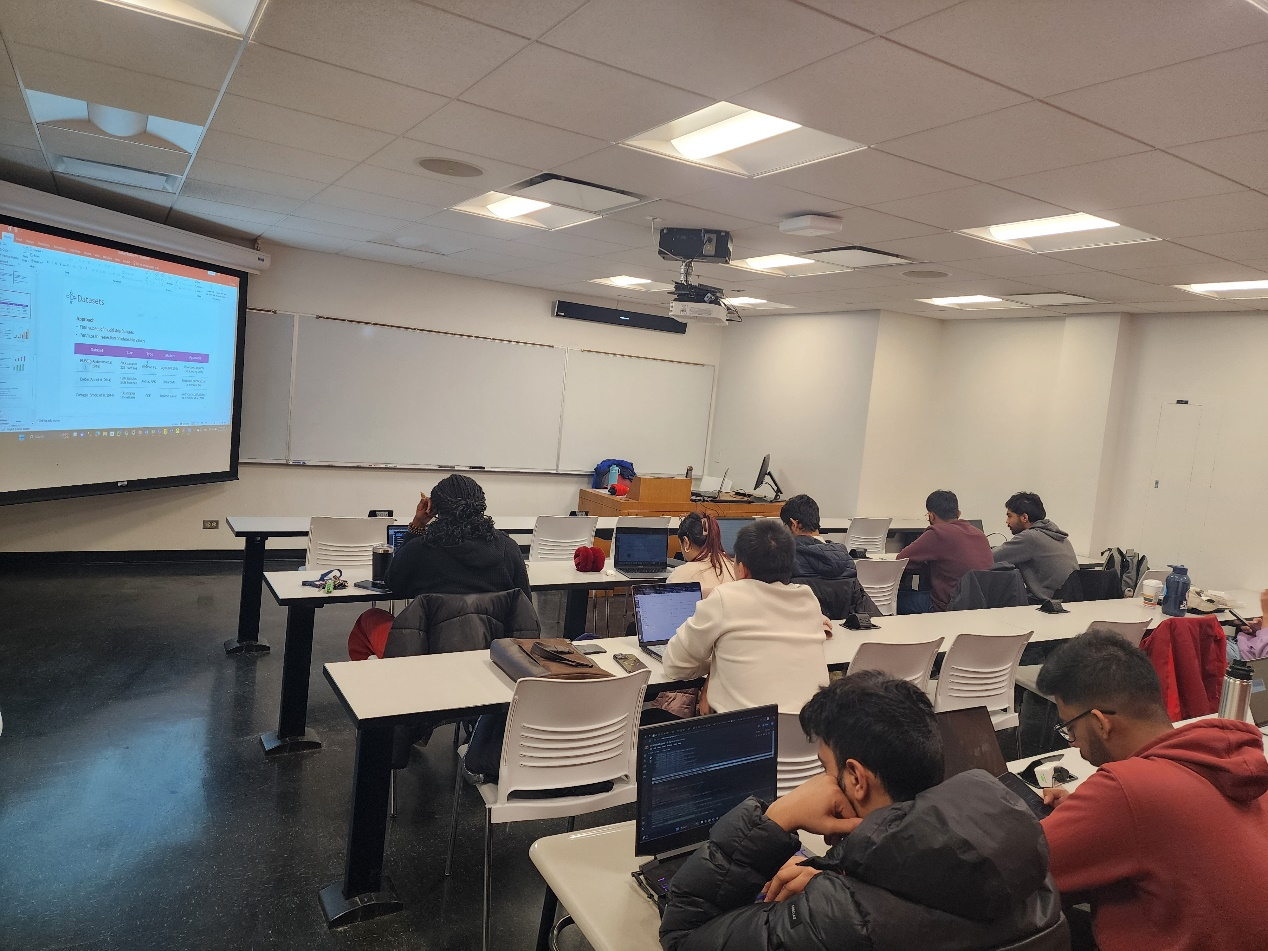
Symposium – Chicago: Integrating AI into Software Engineering
Symposium Chair: Dr. Marwan Omar, Associate Professor in Illinois Institute of Technology
This symposium on Integrating AI into Software Engineering provides participants with a comprehensive understanding of how Artificial Intelligence (AI) can revolutionize the software development lifecycle. It bridges the gap between traditional software engineering practices and cutting-edge AI technologies, empowering attendees to innovate and enhance their workflows. Participants will explore practical applications of AI, such as automated code generation, intelligent testing frameworks, and predictive analytics. The symposium focuses on equipping participants with actionable skills to integrate AI tools like machine learning models and natural language processing into various stages of software development. Additionally, it addresses ethical considerations and industry best practices for leveraging AI responsibly. Through interactive sessions and hands-on exercises, participants will learn to build adaptive, intelligent systems capable of addressing real-world challenges. By the end of the symposium, attendees will be well-prepared to harness AI’s potential to drive efficiency, innovation, and intelligence in software engineering. Moving forward, the symposium established a foundation for continued collaboration between technologists, sustainability experts, and financial innovators in building a more regenerative and transparent digital economy.
Videos
You can find the Youtube Playlist of online session Here.
Publications
Accepted papers of CONF-SEML 2025 have been published in Procedia Computer Science (ISSN: 1877-0509) or Applied and Computational Engineering (Print ISSN: 2755-2721) and were submitted to EI Compendex, Conference Proceedings Citation Index (CPCI), Crossref, CNKI, Portico, Inspec, Scopus, Google Scholar, and other databases for indexing.
Title: Procedia Computer Science
Press: Elsevier
ISSN: 1877-0509
Title: Applied and Computational Engineering
Press: EWA Publishing, United Kingdom
ISSN: 2755-2721